The Ultimate Truth about Housing Affordability
Courtesy of Marty Gale Utah Realty
There have been many headlines decrying an “affordability crisis” in the residential real estate market. While it is true that buying a home is less affordable than it had been over the last ten years, we need to understand why and what that means.
On a monthly basis, the National Association of Realtors (NAR), produces a Housing Affordability Index. According to NAR, the index…
“…measures whether or not a typical family earns enough income to qualify for a mortgage loan on a typical home at the national and regional levels based on the most recent price and income data.”
Their methodology states:
“To interpret the indices, a value of 100 means that a family with the median income has exactly enough income to qualify for a mortgage on a median-priced home. An index above 100 signifies that family earning the median income has more than enough income to qualify for a mortgage loan on a median-priced home, assuming a 20 percent down payment.”
So, the higher the index, the more affordable it is to purchase a home. Here is a graph of the index going back to 1990:

It is true that the index is lower today than any year from 2009 to 2017. However, we must realize the main reason homes were more affordable. That period of time immediately followed a housing crash and there were large numbers of distressed properties (foreclosures and short sales). Those properties were sold at large discounts.
Today, the index is higher than any year from 1990 to 2008. Based on historic home affordability data, that means homes are more affordable right now than any other time besides the time following the housing crisis.
With mortgage rates remaining low and wages finally increasing, we can see that it is MORE AFFORDABLE to purchase a home today than it was last year!
Bottom Line
With wages increasing, price appreciation moderating, and mortgage rates remaining near all-time lows, purchasing a home is a great move based on historic affordability numbers.
New report reveals how one fast-growing expense is impacting homeowners: ‘Many may feel like they can never own a home’
Home insurance premiums in Utah have surged by 59% in three years, the highest increase nationwide, driven largely by climate change-related extreme weather. Rising costs are worsening the housing crisis, making homeownership harder, especially for first-time buyers....
US Homes: Will Growth Return in 2025?
U.S. home sales peaked in 2021, declined through 2024, and are expected to see mild growth in 2025-2026.Mortgage interest rates will continue influencing market trends, impacting prices and buyer demand.
Property Tax Trends Across the US
Rising property values have led to higher tax burdens, though some states cap assessments to limit drastic increases. Northeastern and Midwestern states generally impose higher property taxes, while Southern and Western states tend to have lower rates.
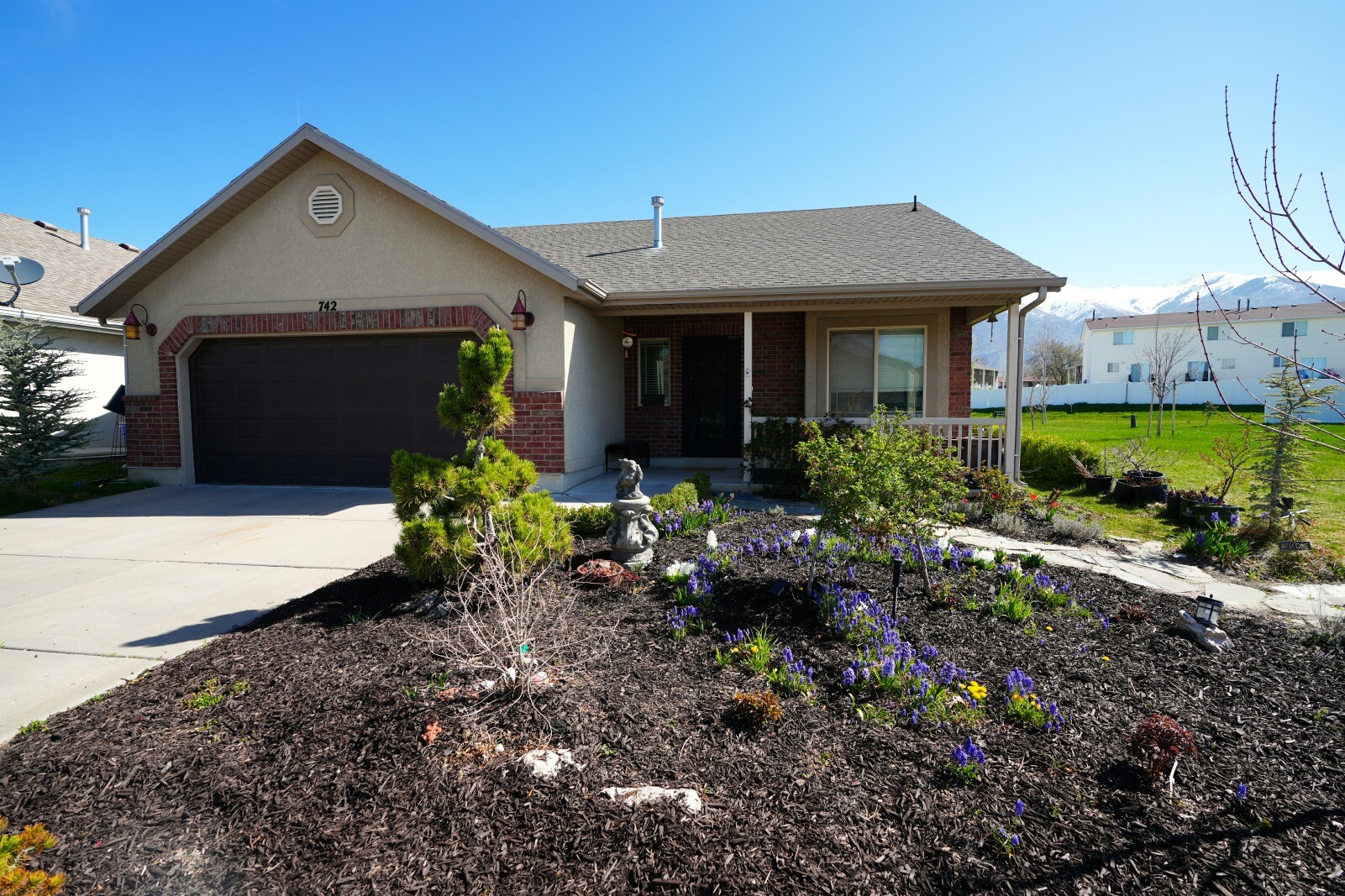
Value Adjustments according to Ai
Appraisal adjustments vary according to build quality and area While specific dollar values for adjustments in residential home appraisals can vary based on numerous factors, including the specific neighborhood and current market conditions, here are some typical...
7 Things I Wish I’d Known as a First-Time Homebuyer
Robert and Kacie share insights on personal finance and home buying. Robert emphasizes the importance of a good real estate agent and home inspections. Kacie advises looking beyond bad online listings for potential hidden gems. Both stress the financial challenges and...
10 Tips for Finding Cheap Housing
Looking in less popular neighborhoods or cities and being willing to relocate can reduce housing costs. Strategies include low-income housing programs, finding roommates, negotiating rent, and making compromises. Making a detailed budget plan is crucial to determine...
Selling Your Home in 2025? Expect More Competition
More homeowners will list their properties as mortgage rates stabilize, improving inventory but increasing competition.Buyers may gain leverage, leading sellers to offer price cuts or concessions in competitive markets.
New Tariffs Could Raise Construction Costs by 60%!
U.S. construction faces rising costs as new tariffs could increase material prices by up to 60%. Construction inputs for multifamily projects have already surged 35% in 5 years, squeezing project feasibility.
Follow These 5 Steps to Own a Home in 2025!
Before buying a house in 2025, ensure you are debt-free and have 3–6 months of expenses saved. Limit your home budget to 25% of your take-home pay, covering mortgage, taxes, insurance, and HOA fees.
Renting costs a lot less than buying a home, especially in the West
Salt Lake City ranks fifth in the U.S. for the rent-buy cost gap, with renting at $1,680 monthly and buying at $3,197, making buying 90.4% more expensive. Nationwide, renting is cheaper as mortgage payments rise while rents decline or stabilize. The largest gaps are...