Death of a Spouse and Selling Your Home
Selling your home after the passing of a Spouse can be Tricky
According to IRS Publication 523, when your spouse passes away, you are entitled to utilize their $250,000 capital gains exemption in addition to your own $250,000 one-time exemption for up to 2 years from the date of your spouse’s passing. However, if you sell more than 2 years after the death of your spouse, you are only entitled to use your own $250,000 one-time exemption on capital gains tax. If your home equity is likely to exceed $250,000 this could affect you dramatically.
Here’s a good place to start. The first number you need is how much you paid for your home when you bought it. The second number you will need is a total of all of the monies you paid for capital improvements on your property (i.e.: pools, new roofs, new furnaces, and other improvements). Hopefully, you have a file with all of these receipts you have saved over the period you have owned your home. The last number you will need is an idea of what your home is worth in today’s market and a “net sheet” indicating how much you will likely have in your pocket from a sale. These last items are ones that we are happy to help with. If you need to find out the potential market value of your home please fill the request out and we will reply.
Please check with your accountant to verify the current tax regulations.
Property Tax Trends Across the US
Rising property values have led to higher tax burdens, though some states cap assessments to limit drastic increases. Northeastern and Midwestern states generally impose higher property taxes, while Southern and Western states tend to have lower rates.
Value Adjustments according to Ai
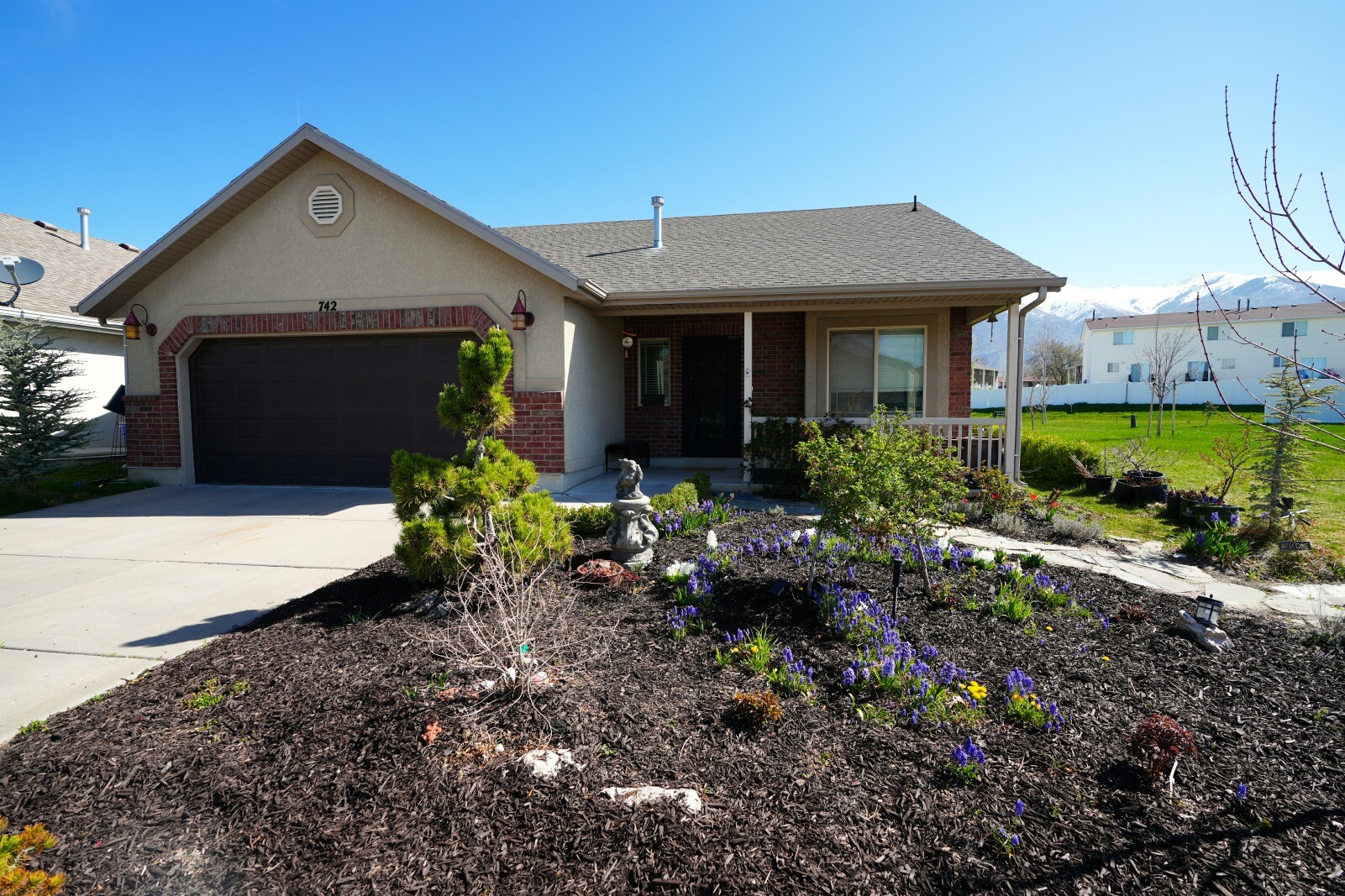
Appraisal adjustments vary according to build quality and area While specific dollar values for adjustments in residential home appraisals can vary based on numerous factors, including the specific neighborhood and current market conditions, here are some typical...
7 Things I Wish I’d Known as a First-Time Homebuyer
Robert and Kacie share insights on personal finance and home buying. Robert emphasizes the importance of a good real estate agent and home inspections. Kacie advises looking beyond bad online listings for potential hidden gems. Both stress the financial challenges and...
10 Tips for Finding Cheap Housing
Looking in less popular neighborhoods or cities and being willing to relocate can reduce housing costs. Strategies include low-income housing programs, finding roommates, negotiating rent, and making compromises. Making a detailed budget plan is crucial to determine...
Selling Your Home in 2025? Expect More Competition
More homeowners will list their properties as mortgage rates stabilize, improving inventory but increasing competition.Buyers may gain leverage, leading sellers to offer price cuts or concessions in competitive markets.
New Tariffs Could Raise Construction Costs by 60%!
U.S. construction faces rising costs as new tariffs could increase material prices by up to 60%. Construction inputs for multifamily projects have already surged 35% in 5 years, squeezing project feasibility.
Follow These 5 Steps to Own a Home in 2025!
Before buying a house in 2025, ensure you are debt-free and have 3–6 months of expenses saved. Limit your home budget to 25% of your take-home pay, covering mortgage, taxes, insurance, and HOA fees.
Renting costs a lot less than buying a home, especially in the West
Salt Lake City ranks fifth in the U.S. for the rent-buy cost gap, with renting at $1,680 monthly and buying at $3,197, making buying 90.4% more expensive. Nationwide, renting is cheaper as mortgage payments rise while rents decline or stabilize. The largest gaps are...
Happy Mother’s Day
Mother's Day is a celebration honoring the mother of the family or individual, as well as motherhood, maternal bonds, and the influence of mothers in society. The origins of commemorating motherhood dates back to the Ancient Greeks, where in spring festival, they...

What 2025 Housing Trends Keep Foreclosure Rates Low?
2025 home prices will rise slowly, with an average price of $510,300 and median at $419,200. In 2025, home prices will stabilize; expect to pay close to asking price, especially in tight markets.