Buyer Demand Surging in Utah as Spring Market Begins
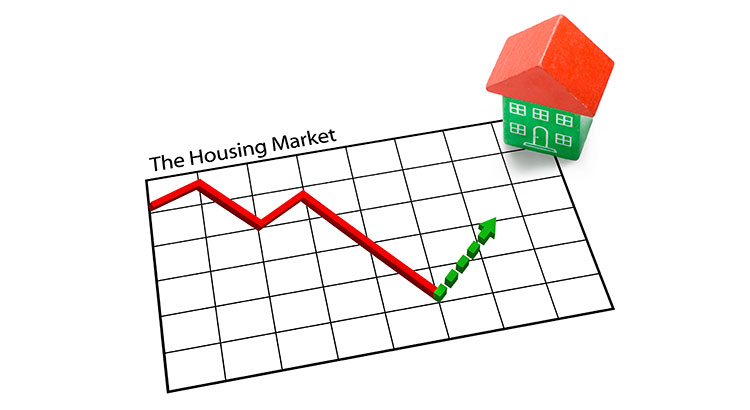
Last fall, some predicted that the 2019 residential real estate market would be a disaster. There was even belief we might experience a housing crash like the one that occurred during the last decade.
However, according to two separate reports*, buyer demand dramatically increased over the last three months, leading into this spring buyers’ market (the March data is not yet available).
Both the ShowingTime Showing Index and the National Association of REALTORS Buyer Traffic Index show that buyer demand has increased in each of the last three months.

Why the increase in demand? Increased buying power.
According to the National Association of Realtors’ Economists’ Outlook Blog, purchasing a home has become more affordable, which has led to increased demand.
“Due to the combination of falling home prices and mortgage rates, the income needed to make an affordable mortgage payment (mortgage no more than 25% of income) on a median-priced home with 10% down payment and 30-year fixed rate mortgage decreased from $60,425 in June 2018 to $53,783 as of February 2019, and the difference of $6,642 represents a gain in buying power because one can afford a home purchase at a lower level of income.”
Bottom Line
It appears the spring buyers’ market is going to be much stronger than many had projected. Whether you are selling or buying, this is important news.
*The methodology behind the indices:
The ShowingTime Showing Index
“The ShowingTime Showing Index® tracks the average number of buyer showings on active residential properties on a monthly basis, a highly reliable leading indicator of current and future demand trends.”
The National Association of REALTORS® Buyer Traffic Index
“In a monthly survey of REALTORS®, NAR asks respondents ‘Compared to the same month last year, how would you rate the past month’s traffic in neighborhood(s) or area(s) where you make most of your sales?’ NAR compiles the responses into an index, where an index above 50 indicates that more respondents reported “stronger” traffic than “weaker” traffic.”

Salt Lake County Shines as Top Choice for New Families
Childcare costs as a percent of median household income: 21.34% Housing costs as a percentage of median household income: 20.84% Percentage of population under age 10: 13.12% Number of children under age 10: 155,636 Ratio of total population to primary care...
Top 10 Tips for First-Time Homebuyers
First-time homebuyers should identify their current and future needs, understand the true cost of homeownership including taxes and maintenance, and start saving early for down payments and closing costs. Building and managing credit wisely is crucial. Research...

Time to Sell? Key Market Signals
Outgrowing or underusing your space signals it might be time to sell and move on. A strong seller’s market boosts sale price, speed, and overall success of your listing.

Honoring the Significance of Indigenous Day
Indigenous Peoples’ Day celebrates, recognizes, and honors the beautiful traditions and cultures of the Indigenous People We take a stand for and support the indigenous people on this day. We should also offer our support to those who invest and uplift the indigenous...
Avoid Mortgage Mistakes Buyers Make: Expert Tips
Key mortgage mistakes to avoid include not getting pre-approved, overlooking credit scores, and failing to compare mortgage options. Buyers should budget for total homeownership costs, including property taxes and maintenance. Skipping home inspections and neglecting...

Top Strategies to Sell Your Home Fast in 2025
Price your home right from day one to attract more offers and avoid sitting on the market too long. Boost curb appeal with simple upgrades—fresh paint, landscaping, and clean entryways make a strong first impression. Use professional photos and staging to showcase...

5 Smart Tips to Save Money on Home Closing Costs
Closing costs can add up to more than $10,000, but buyers have strategies to reduce them. Local banks may offer grants, credits, or fee waivers that cut costs without repayment obligations. Conventional loans with larger down payments often reduce costs compared to...
5 Key Takeaways: How to Negotiate to Cut Costs When Closing on a Home
Homebuyers can save money by negotiating key aspects of the purchase, including repairs found during inspections, closing costs, and the closing date. Buyers may also negotiate for home contents like appliances and furniture to be included, as well as for sellers to...

Chasing 4%: The Future of Mortgage Rates
Mortgage rates are expected to gradually ease over the coming years, though a return to 4% remains a longer-term possibility. Past 4% levels were achieved during periods of strong monetary support, showing rates can fall when economic conditions shift significantly. A...
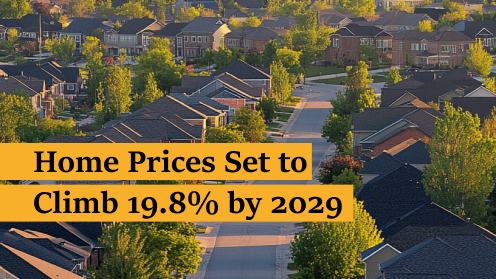
Will 2029’s Home Prices Surpass Pre-Bubble Levels?
National home prices expected to rise by 19.8% through 2029, averaging 3.7% annual growth. Price Growth 2025 (+3.4%) 2026 (+6.8%) 2027 (+10.8%) 2028 (+15.2%) 2029 (+19.8%)