Are you or a loved one facing the prospect of downsizing? It can be an overwhelming process.

Are you or a loved one facing the prospect of downsizing? It can be an overwhelming process.

Marty’s Monday Blog

Are you or a loved one facing the prospect of downsizing? It can be an overwhelming process, filled with practical and emotional challenges. That’s why utilizing the expertise of a Senior Real Estate Specialist (SRES) can make all the difference. SRES professionals are uniquely trained to address the specific needs and concerns of seniors looking to downsize, ensuring a smoother transition and peace of mind for both you and your loved ones. In this article, we’ll explore the benefits of using a Senior Real Estate Specialist and how they can assist in navigating this important life transition.

The Benefits Of Working With A Senior Real Estate Specialist For Downsizing

When the time comes for your loved ones to downsize, it can be an emotional and challenging experience. Moving from a long-time family home to a smaller, more manageable space can be overwhelming, both physically and mentally. This is where the expertise and support of a senior real estate specialist can make a significant difference.

A senior real estate specialist is a professional who has undergone specialized training and certification to cater specifically to the needs of older adults and their families. They possess a deep understanding of the unique challenges that come with downsizing, and they have the knowledge and resources to help navigate through the process smoothly and efficiently.

One of the primary benefits of working with a senior real estate specialist for downsizing is their expertise in the senior housing market. They have a thorough understanding of the different housing options available for older adults, such as retirement communities, active adult communities, and assisted living facilities. They can assess your loved one’s specific needs and preferences, ensuring they find the right fit for their lifestyle and budget.

In addition to their knowledge of the housing market, senior real estate specialists also have a network of professionals at their disposal. They can connect your loved ones with other experts, such as estate planners, moving companies, and downsizing specialists. This network ensures that all aspects of the downsizing process are taken care of with efficiency and precision, alleviating stress and burden from your loved ones and their family.

Furthermore, a senior real estate specialist understands the emotional attachment that comes with leaving a long-time family home. They are sensitive to the emotional aspects of downsizing and can provide the necessary support and guidance. They can help your loved ones navigate the emotional challenges, ensuring a smooth transition and minimizing any feelings of loss or sadness. Their compassionate approach allows your loved ones to feel understood and supported throughout the entire downsizing journey.

Another advantage of working with a senior real estate specialist is their ability to assist with financial considerations. Downsizing often involves making important financial decisions, and a specialist can help your loved ones understand the costs and benefits associated with each housing option. They can help evaluate the financial implications of downsizing, including the sale of the current home, potential tax advantages, and the affordability of the desired new living situation. Their expertise can provide peace of mind and confidence in the financial decisions being made.

Additionally, a senior real estate specialist can help streamline the downsizing process. They can create a personalized timeline and action plan, ensuring that all necessary tasks, such as decluttering, packing, and selling the current home, are completed efficiently. This organized approach saves time and energy, allowing your loved ones to focus on the emotional aspects of the transition.

Overall, working with a senior real estate specialist for downsizing offers numerous benefits for your loved ones. Their specialized knowledge, extensive network, emotional support, financial expertise, and organized approach can help make the entire downsizing process smoother and less overwhelming. By partnering with a professional who understands the unique challenges of older adults, your loved ones can embark on their new chapter with confidence and peace of mind.

What Is A Senior Real Estate Specialist (SRES) And Why Do Your Loved Ones Need One?

A senior real estate specialist (SRES) is a specially trained and certified real estate agent who focuses on assisting seniors and their families with the complex process of downsizing or transitioning to a more manageable living situation. These professionals have in-depth knowledge and understanding of the unique needs, concerns, and challenges faced by seniors during such a significant life change.

Downsizing can be an emotionally challenging experience for seniors and their loved ones. It often involves letting go of cherished belongings, leaving a family home filled with memories, and adjusting to a new environment. With a SRES by your side, you can ensure that this process is handled with sensitivity, expertise, and care.

One of the key reasons why your loved ones may benefit from working with a senior real estate specialist is their specialized knowledge. These professionals have undergone extensive training and certification in areas specific to seniors, including issues such as age-related housing, estate planning, and retirement benefits. This expertise enables them to provide valuable guidance and advice tailored to your loved ones’ unique circumstances.

Additionally, SRES agents have a vast network of connections and resources that can be invaluable during the downsizing process. They can help seniors find appropriate housing options, such as assisted living communities or 55+ active adult communities, that meet their specific needs and preferences. They can also connect families with other professionals, such as moving companies, organizers, and estate planners, who can assist with various aspects of the transition.

Another reason why working with an SRES is beneficial is their understanding of the emotional aspects involved in downsizing. They recognize that letting go of a long-time home can be overwhelming and stressful for seniors. With compassion and empathy, they can listen to your loved ones’ concerns and fears, offering emotional support throughout the entire process. This personalized approach is crucial in ensuring that your loved ones feel understood and respected during this significant life transition.

Furthermore, SRES agents are skilled negotiators and advocates for their senior clients. They are well-versed in real estate trends and market conditions that may affect a senior’s decision to sell a property or buy a new one. By leveraging their knowledge and expertise, they can help seniors make informed decisions that align with their financial goals and overall well-being.

In summary, using a senior real estate specialist (SRES) can greatly benefit your loved ones during the downsizing process. These professionals have specialized knowledge, connections, and resources to navigate the unique challenges faced by seniors. By providing personalized support, valuable advice, and a compassionate approach, SRES agents ensure that the downsizing journey is as smooth and stress-free as possible for your loved ones.

How A Senior Real Estate Specialist Can Help Navigate The Emotional Challenges Of Downsizing

Downsizing can be an emotionally challenging process, especially for seniors who have spent a significant portion of their lives in their current home. It involves not only physical changes but also the need to let go of cherished memories and adjust to a new living arrangement. To alleviate some of the emotional stress associated with downsizing, it is highly recommended to enlist the services of a Senior Real Estate Specialist.

One of the key roles that a Senior Real Estate Specialist plays is acting as a compassionate guide throughout the downsizing journey. They understand the unique needs and concerns of older adults and are well-equipped to handle the emotions that often arise during the process. These specialists have undergone specialized training and have extensive experience working with seniors, which enables them to provide the level of support necessary to navigate the emotional challenges of downsizing.

One of the emotions commonly experienced during downsizing is reluctance or resistance to let go of personal belongings. Seniors often have a deep attachment to their possessions, each item holding memories and sentimental value. A Senior Real Estate Specialist can help facilitate the downsizing process by providing empathy, encouragement, and understanding. They can help seniors prioritize their belongings, identify what items hold the most value, and guide them through the decision-making process, ensuring that sentimental items are properly preserved while unnecessary clutter is removed.

Additionally, a Senior Real Estate Specialist can help seniors manage feelings of loss and grief associated with leaving their long-time home. Moving out of a familiar space can evoke a sense of sadness, as seniors may be leaving behind not only physical belongings but also a neighborhood, neighbors, and a community that they have grown accustomed to over the years. By acknowledging and validating these emotions, a Senior Real Estate Specialist can provide the necessary emotional support, making the transition smoother and more manageable.

Another emotional challenge that often arises during downsizing is the fear of the unknown. Seniors may worry about the unfamiliarity of their new living situation, the potential loss of independence, or concerns about making new connections in a different neighborhood or community. A Senior Real Estate Specialist can address these fears by providing seniors with information about their housing options, helping them understand the benefits of their new living situation, and connecting them with local resources and support services. By offering guidance and reassurance, they can help seniors feel more confident and secure in their decision to downsize.

In conclusion, the emotional challenges associated with downsizing can be overwhelming for seniors, but the assistance of a Senior Real Estate Specialist can make a significant difference. Their expertise in working specifically with older adults, combined with their compassionate approach, allows them to navigate the emotional complexities that arise during the downsizing process. By providing support, understanding, and guidance, a Senior Real Estate Specialist can help alleviate the stress and emotional burden, enabling older adults to transition into a new living situation with greater ease, comfort, and peace of mind.

Important Considerations When Choosing A Senior Real Estate Specialist For Your Loved Ones

Downsizing can be a complex and emotional process, especially for seniors who have spent many years in their homes. There are numerous factors to consider, from finding the right property to dealing with the logistics of the move. This is where a senior real estate specialist can provide invaluable assistance and support.

When it comes to finding the right senior real estate specialist for your loved ones, there are important considerations to keep in mind. These considerations can ensure that the chosen professional is equipped to handle the unique needs and challenges that often come with helping seniors downsize.

First and foremost, experience matters. Look for a senior real estate specialist who has a proven track record in working with seniors and assisting them with downsizing. By selecting someone who is familiar with the specific needs of older adults, you can rest assured that your loved ones will receive expert guidance throughout the process. Additionally, an experienced specialist will have established connections within the senior community, which can be beneficial in finding appropriate housing options and navigating the various services available.

Communication skills are another crucial aspect when choosing a senior real estate specialist. Seniors may have specific concerns or fears about downsizing, so it’s essential to find someone who can effectively listen to their needs and address any apprehensions they may have. A specialist with excellent communication skills will not only be able to guide your loved ones through the downsizing process but also ensure they feel heard and understood every step of the way.

Compassion and empathy are also vital traits to look for in a senior real estate specialist. Downsizing can be an emotionally challenging experience for seniors as they say goodbye to a lifetime of memories and adjust to a new living arrangement. A compassionate specialist will understand the unique emotional aspects and will be sensitive to your loved ones’ feelings throughout the journey.

Furthermore, consider the specialist’s knowledge of resources and support services available to seniors. Downsizing often involves more than just finding a new home; it may also require assistance with organizing, packing, and coordinating moving logistics. A well-connected senior real estate specialist will have a network of trusted professionals, such as senior move managers, estate liquidators, and moving companies, to help facilitate a smooth transition.

Lastly, consider whether the senior real estate specialist has the necessary certifications and designations related to working with seniors. For example, the National Association of Realtors offers the Senior Real Estate Specialist (SRES) designation, which indicates that an agent has completed specialized training in serving the senior community. Choosing a specialist with these qualifications can provide peace of mind, knowing that they have the knowledge and expertise to navigate the downsizing process successfully.

Overall, selecting a senior real estate specialist who possesses experience, communication skills, compassion, knowledge of resources, and relevant certifications is essential when helping your loved ones downsize. By making a well-informed choice, you can ensure that your loved ones receive the necessary support and guidance to make their downsizing journey as smooth and stress-free as possible.

Marty Gale

Buy or Sell with Marty Gale

"Its The Experience"

Principal Broker and Owner of Utah Realty™

Licensed Since 1986

CERTIFIED LUXURY HOME MARKETING SPECIALIST (CLHM)

PSA  (Pricing Strategy Advisor)

General Contractor 2000 (in-active)
e-pro (advanced digital marketing) 2001
Certified Residential Specialist 2009

Certified Negotiation Expert 2014
Master Certified Negotiation Expert 2014
Certified Probate Specialist Since 2018

Senior Real Estate Specialist

Certified Divorce Specialist CDS

 

Contact me! 
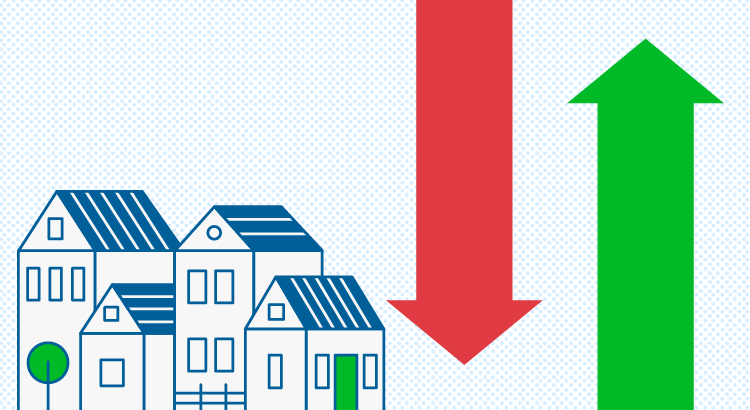


Key Housing Market Trends

Key Housing Market Trends

Key Housing Market Trends

Some Highlights

  • If you’re considering buying or selling a home, you’ll want to know what’s happening in the housing market.
  • Housing inventory is still very low, prices are climbing back up, and homes are selling fast when priced right.
  • If you want more information about our local area and what the trends mean for your plans to buy or sell, let’s connect.

Marty Gale

Buy or Sell with Marty Gale

"Its The Experience"

Principal Broker and Owner of Utah Realty™

Licensed Since 1986

CERTIFIED LUXURY HOME MARKETING SPECIALIST (CLHM)

PSA  (Pricing Strategy Advisor)

General Contractor 2000 (in-active)
e-pro (advanced digital marketing) 2001
Certified Residential Specialist 2009

Certified Negotiation Expert 2014

Master Certified Negotiation Expert 2014
Certified Probate Specialist Since 2018

Senior Real Estate Specialist

Certified Divorce Specialist CDS


Contact me! 


Economic Trends And Factors Influencing The Luxury Home Market In Utah

Economic Trends And Factors Influencing The Luxury Home Market In Utah

Welcome to our blog article all about the exciting developments and trends in Utah’s luxury home market this fall! As the leaves change color and the cool autumn breeze settles in, Utah’s real estate market is buzzing with activity. Whether you’re a potential buyer or simply curious about the latest happenings in the luxury home segment, this article will provide you with valuable insights and expert predictions. From new developments and innovative amenities to exclusive neighborhoods and investment opportunities, we’ve got you covered. So sit back, relax, and let’s delve into the world of luxury real estate in beautiful Utah this season.

Economic Trends And Factors Influencing The Luxury Home Market In Utah

Utah’s luxury home market has been witnessing a steady growth rate over the past few years, and this fall is expected to be no different. However, several economic trends and factors have emerged that are likely to influence the luxury home market in the state. These factors play a crucial role in shaping the dynamics and expectations for both buyers and sellers in the high-end real estate market.

One of the major driving forces behind Utah’s luxury home market is its robust economy. The state has consistently remained one of the fastest-growing economies in the country, with a low unemployment rate and a strong job market. Utah’s thriving tech industry, along with its diverse economic sectors, including finance, healthcare, and outdoor recreation, attract high-income individuals who are in the market for luxury real estate. These economic factors bring stability and confidence to the luxury home market and contribute to its growth.

Another factor contributing to the strength of Utah’s luxury home market is the state’s growing population. In recent years, Utah has experienced a surge in population, thanks to factors such as a high birth rate, net migration, and a younger demographic profile. This influx of people seeking opportunities and high standard of living has created a demand for upscale properties and luxury homes. The increasing population, combined with limited supply, has resulted in a competitive market, driving up prices and making luxury homes a sought-after commodity.

Utah’s scenic beauty, outdoor recreational opportunities, and quality of life also contribute to the desirability of the luxury home market. The state is renowned for its stunning landscapes, including national parks, ski resorts, and recreational areas. Many luxury homeowners and buyers are drawn to Utah’s natural beauty and access to outdoor activities, making it an ideal location for second homes or vacation properties.

Additionally, Utah’s favorable tax environment attracts high-net-worth individuals and entrepreneurs who are looking to invest in luxury homes. The state has one of the lowest income tax rates in the country and offers various incentives for property owners and investors, creating a favorable financial climate for luxury real estate transactions. These tax advantages can further stimulate the luxury home market by attracting affluent individuals who are looking to capitalize on the benefits and opportunities provided by Utah.

In recent years, there has been an increasing trend of remote work and virtual offices. The COVID-19 pandemic has accelerated this trend, with more companies embracing flexible work arrangements. This shift has allowed individuals to consider relocating from urban centers to more appealing locations like Utah, where they can enjoy a higher quality of life and lower population density. As a result, there has been a surge in interest and demand for luxury homes in more remote and serene areas of the state.

It is important to note that the luxury home market in Utah is not immune to broader economic and market conditions. While the state has shown resilience and stability, external factors such as interest rate fluctuations, geopolitical events, and the overall health of the national economy can have an impact on buyer sentiment and market dynamics.

In conclusion, Utah’s luxury home market is expected to continue its upward trajectory this fall. Economic factors such as a strong and diverse economy, population growth, favorable tax environment, and the state’s natural beauty contribute to the desirability and demand for luxury homes. Additionally, changing work trends and the effects of the COVID-19 pandemic have further enhanced the appeal of Utah’s luxury real estate market. However, it is important for buyers and sellers to remain mindful of external factors that can influence the market and to work closely with experienced professionals to navigate through the complexities of the luxury home buying and selling process.

Design And Architectural Trends Shaping Luxury Homes In Utah

Utah is known for its breathtaking landscapes, outdoor recreational activities, and a strong sense of community. As the luxury home market in Utah continues to thrive, homeowners and buyers are seeking properties that not only provide premium amenities and features but also embody the unique design and architectural trends shaping luxury homes in the state. With the fall season upon us, it is the perfect time to explore what to expect in Utah’s luxury home market and how design and architectural trends are influencing the industry.

One of the prominent design trends in luxury homes in Utah is the incorporation of natural elements. Utah’s stunning natural landscapes, including its mountains, deserts, and canyons, have inspired homeowners to bring the outdoors in. Large windows that showcase uninterrupted views, expansive decks and patios that seamlessly blend indoor and outdoor spaces, and the use of earthy colors and materials are all elements that create a harmonious connection with the surrounding environment. Luxury homes in Utah often feature stone or wood accents, high ceilings with exposed beams, and large fireplaces that exude a warm and inviting atmosphere.

Another trend that is shaping luxury homes in Utah is open floor plans. Homeowners are moving away from separate, compartmentalized spaces and embracing the concept of open and flowing layouts. Open floor plans encourage connectivity and allow for seamless transitions between different areas of the home, enhancing the overall sense of space and creating a conducive environment for entertaining. Spacious kitchens with high-end appliances, large islands, and ample storage are becoming the focal point of luxury homes in Utah, catering to homeowners who appreciate both functionality and aesthetics.

In line with an emphasis on seamless indoor-outdoor living, luxury homes in Utah often feature well-appointed outdoor living spaces. Homeowners are realizing the value of utilizing outdoor areas as extensions of their homes, creating outdoor kitchens, lounges, and relaxation zones. These spaces often incorporate features such as fire pits, hot tubs, and swimming pools, providing the perfect setting for entertaining guests or enjoying quiet moments of relaxation amidst the scenic beauty that Utah has to offer.

Sustainable design is another significant trend shaping luxury homes in Utah. Homeowners are increasingly conscious of their carbon footprint and seek energy-efficient and eco-friendly features in their properties. From solar panels that harness the abundant sun rays in Utah to geothermal heating and cooling systems that provide efficient temperature control, sustainability is a driving force in the design of luxury homes. Additionally, incorporating sustainable materials and practices throughout the construction process ensures that luxury homes in Utah align with the state’s commitment to preserving its natural resources.

Furthermore, smart home technology is transforming the luxury home market in Utah. Home automation systems that offer convenient control over lighting, security, temperature, and entertainment systems are highly sought after by homeowners. These technologies not only enhance the luxurious experience but also provide added convenience and peace of mind. From voice-activated controls to remote monitoring and accessibility, smart home features are becoming integral to the design and functionality of luxury homes in Utah.

In conclusion, the luxury home market in Utah is experiencing a shift in design and architectural trends that reflect the state’s natural beauty, lifestyle preferences, and commitment to sustainability. From the incorporation of natural elements and open floor plans to outdoor living spaces and smart home technology, luxury homes in Utah are undergoing a transformation that caters to the needs and desires of discerning homeowners. With the fall season offering the perfect opportunity to explore and invest in Utah’s luxury home market, expect to see these trends shaping the landscapes of luxury homes in the state.

Upcoming Luxury Home Developments And Neighborhoods In Utah

Utah has emerged as a popular destination for luxury home buyers due to its stunning natural landscapes, thriving economy, and high quality of life. As we approach the fall season, there are several exciting luxury home developments and neighborhoods to keep an eye on in Utah. These upcoming projects promise to cater to the discerning tastes of luxury home buyers, offering exquisite designs, top-notch amenities, and desirable locations.

One noteworthy development that is garnering attention is the Summit Creek community located in the heart of the breathtaking Wasatch Range in Woodland Hills. Nestled amidst towering mountain peaks and offering panoramic views, Summit Creek provides an unparalleled luxury living experience. This exclusive community features custom-built homes showcasing impeccable craftsmanship and meticulous attention to detail. With an array of amenities, including a clubhouse, spa, and hiking trails, Summit Creek epitomizes the essence of luxury mountain living.

Another exciting development is the Enclave at Cottontree in Provo. This gated community boasts luxurious estate homes surrounded by picturesque scenery, including the majestic Mount Timpanogos. With its proximity to renowned educational institutions like Brigham Young University and the stunning views of the nearby Provo Canyon, the Enclave at Cottontree offers a compelling luxury living option for discerning buyers seeking a combination of elegance and natural beauty.

In Park City, a world-renowned destination for outdoor enthusiasts and luxury homeowners, the Promontory Club continues to be a highly sought-after neighborhood for those seeking a refined mountain lifestyle. This prestigious community offers a diverse range of luxury properties, from custom-built homes to expansive ranch estates, all set against a backdrop of the stunning Wasatch Range. With access to world-class amenities, including a championship golf course, equestrian facilities, and a private ski lodge, the Promontory Club presents a unique opportunity for luxury living in one of Utah’s premier destinations.

Moving north to Salt Lake City, the Eaglewood Cove development in the desirable suburb of North Salt Lake showcases contemporary luxury homes with breathtaking views of the Great Salt Lake and the downtown skyline. This exclusive neighborhood offers a mix of single-family estates and townhomes, all designed with modern architecture and high-end finishes. With its proximity to downtown Salt Lake City and convenient access to outdoor recreational opportunities like hiking and boating, Eaglewood Cove presents a compelling option for luxury home buyers seeking both urban amenities and natural beauty.

Lastly, the city of Draper is home to the Somerset Farms development, which offers luxury living in a serene and secluded setting. With sprawling estates on large lots, Somerset Farms provides ample space and privacy for homeowners. The neighborhood boasts stunning mountain views and is conveniently located near a variety of recreational opportunities, including golf courses and hiking trails. This exclusive community combines the best of luxury living with easy access to the amenities of the city, making it an attractive choice for those seeking a tranquil retreat.

In conclusion, Utah’s luxury home market is set to offer an array of exciting developments and neighborhoods this fall. From the mountains of Woodland Hills to the urban oasis of Salt Lake City, luxury home buyers can expect to find breathtaking properties that cater to their refined tastes and lifestyle preferences. Whether it’s panoramic views, high-quality amenities, or proximity to outdoor recreational opportunities, these upcoming luxury home developments in Utah promise to redefine luxury living in the state.

Tips For Buyers And Sellers In Utah’s Luxury Home Market This Fall

As the fall season approaches, it is essential for buyers and sellers in Utah’s luxury home market to understand the dynamics and trends that are likely to shape the real estate landscape. The luxury home market in Utah offers unique opportunities and challenges, requiring both buyers and sellers to have a clear understanding of market conditions and a strategic approach to navigate the market successfully. In this section, we will provide valuable tips and insights for buyers and sellers in Utah’s luxury home market this fall.

For Buyers:

1. Research and Analysis: Before diving into the luxury home market, buyers should conduct thorough research and analysis of the current market conditions. Take the time to understand the trends, pricing, amenities, and locations that are most desirable. Look into historical data and recent sales to get an idea of pricing and demand in different areas. This will help you make informed decisions and negotiate effectively.

2. Engage a Knowledgeable Luxury Realtor: The luxury home market requires the expertise of a realtor who specializes in this segment. Seek out a realtor who has extensive experience in luxury transactions, understands the nuances of the market, and has a strong network of contacts. A knowledgeable realtor can guide you through the intricate process and provide valuable insights to help you find the perfect luxury home.

3. Determine Priorities and Non-Negotiables: Luxury homes offer a plethora of amenities and features. Prioritize the features that are most important to you, such as location, size, architectural style, waterfront views, or state-of-the-art technology. Identifying your priorities and non-negotiables will help you streamline your search and find a home that aligns with your lifestyle and preferences.

4. Be Open to Off-Market Opportunities: In the luxury home market, off-market opportunities are often available but may require a more proactive approach. These properties are not publicly listed but can be accessed through networking and connections. Partnering with a realtor who has a strong network in the luxury market can provide you with exclusive access to off-market opportunities that may suit your needs.

For Sellers:

1. Enhance Curb Appeal: Make a good first impression by enhancing the curb appeal of your luxury home. Consider investing in professional landscaping, exterior lighting, and making necessary repairs or updates. A visually appealing exterior will attract potential buyers and create a positive impression.

2. Stage the Home for Success: When selling a luxury home, staging is crucial. Consult with a professional stager who can highlight the best features of your home and create a visually appealing environment that will captivate potential buyers. This may involve decluttering, rearranging furniture, and adding stylish touches to enhance the overall ambiance.

3. Leverage High-Quality Marketing Materials: In the luxury market, high-quality marketing materials are essential to showcase your home’s unique features. Invest in professional photography, create top-notch virtual tours, and utilize drone footage to highlight the property’s aesthetics and surrounding area. Additionally, craft compelling property descriptions that highlight the luxury amenities and lifestyle that your home offers.

4. Price Appropriately: Pricing your luxury home accurately is crucial for a successful sale. Overpricing can deter potential buyers, while underpricing may leave money on the table. Work closely with your realtor to analyze market trends, recent sales, and competitive listings to determine a realistic and competitive price that aligns with the current market conditions.

By following these tips, both buyers and sellers can approach the luxury home market in Utah this fall with confidence and a strategic mindset. Remember to rely on the expertise of a knowledgeable realtor, stay informed about the market, and be prepared to adapt to changing trends. Whether you are buying or selling, the luxury home market in Utah offers exciting opportunities for those seeking luxury living and investment potential.


Marty Gale

Buy or Sell with Marty Gale

"Its The Experience"

Principal Broker and Owner of Utah Realty™

Licensed Since 1986

CERTIFIED LUXURY HOME MARKETING SPECIALIST (CLHM)

PSA  (Pricing Strategy Advisor)

General Contractor 2000 (in-active)
e-pro (advanced digital marketing) 2001
Certified Residential Specialist 2009

Certified Negotiation Expert 2014

Master Certified Negotiation Expert 2014
Certified Probate Specialist Since 2018

Senior Real Estate Specialist

Certified Divorce Specialist CDS


Contact me! 



Homebuyers Are Still More Active Than Usual

Homebuyers Are Still More Active Than Usual

Homebuyers Are Still More Active Than Usual

Even though the housing market is no longer experiencing the frenzy that was so characteristic of the last couple of years, it doesn’t mean today’s market is at a standstill. In actuality, buyer traffic is still strong today.

The ShowingTime Showing Index is a measure of how much buyers are touring homes. The graph below uses that index to illustrate buyer activity trends over time to help put today into the proper perspective.

It shows there’s seasonality in real estate. If you look at the last normal years in the market (shown in gray), there was a consistent pattern as buyer activity peaked in the first half of each year (during the peak homebuying season in the spring) and slowed as each year came to a close.

When the pandemic hit in March of 2020, that trend was disrupted as the market responded to the resulting uncertainty (shown in blue in the middle). From there, we entered the ‘unicorn’ years of housing (shown in pink). This is when mortgage rates were record-low and buyer demand was sky high. Similar seasonal trends still existed even during that time, just at much higher levels.

Now, let’s look at 2023. Traffic is down from the previous month and it’s also lower than the peaks we saw in the ‘unicorn’ years. But what’s happening isn’t a steep drop off in demand – it’s a slow return toward more normal seasonality. As the ShowingTime report explains:

“Showing traffic declined about 10% in May . . . This follows a typical seasonal pattern – disrupted by the pandemic but now beginning to return . . .”

And, to highlight this isn’t a drastic decline, let’s zoom in. Here’s a graph using just the May data for the last five years. It shows just how strong buyer demand still is.

What Does That Mean for You?

Buyers are still out there touring homes. They’re more active than they were in May 2022 (when sticker shock over higher mortgage rates started to set in) and certainly more than they were in the last normal years. So, remember, buyer activity is still strong. And it could actually be even stronger if it wasn’t constrained by the limited supply of homes for sale. According to U.S. News:

“Housing markets have cooled slightly, but demand hasn’t disappeared, and in many places remains strong largely due to the shortage of homes on the market.”

Bottom Line

Don’t lose sight of just how active the market still is today. If your house isn’t on the market, it’s not getting in front of all those buyers who are looking to make a purchase right now. Let’s connect to start the process.

Marty Gale

Buy or Sell with Marty Gale

"Its The Experience"

Principal Broker and Owner of Utah Realty™

Licensed Since 1986

CERTIFIED LUXURY HOME MARKETING SPECIALIST (CLHM)

PSA  (Pricing Strategy Advisor)

General Contractor 2000 (in-active)
e-pro (advanced digital marketing) 2001
Certified Residential Specialist 2009

Certified Negotiation Expert 2014

Master Certified Negotiation Expert 2014
Certified Probate Specialist Since 2018

Senior Real Estate Specialist

Certified Divorce Specialist CDS


Contact me! 



Tips for Making Your Best Offer on a Home

Tips for Making Your Best Offer on a Home

Tips for Making Your Best Offer on a Home

While the wild ride that was the ‘unicorn’ years of housing is behind us, today’s market is still competitive in many areas because the supply of homes for sale is still low. If you’re looking to buy a home this season, know that the peak frenzy of bidding wars is in the rearview mirror, but you may still come up against some multiple-offer scenarios.

Here are a few things to consider to help you put your best foot forward when making an offer on a home.

1. Lean on a Real Estate Professional

Rely on an agent who can support your goals and help you understand what’s happening in today’s housing market. Agents are experts in the local market and on the national trends too. They’ll use both of those areas of expertise to make sure you have all the information you need to move with confidence.

Plus, they know what’s worked for other buyers in your area and what sellers may be looking for in an offer. It may seem simple, but catering to what a seller needs can help your offer stand out. As an article from Forbes says:

“Getting to know a local realtor where you’re hoping to buy can also potentially give you a crucial edge in a tight housing market.”

2. Get Pre-Approved for a Home Loan

Having a clear budget in mind is especially important right now given the current affordability challenges. The best way to get a clear picture of what you can borrow is to work with a lender so you can get pre-approved for a home loan.

That’ll help you be more financially confident because you’ll have a better understanding of your numbers. It shows sellers you’re serious, too. And that can give you a competitive edge if you do get into a multiple-offer scenario.

3. Make a Fair Offer

It’s only natural to want the best deal you can get on a home. However, submitting an offer that’s too low does have some risks. You don’t want to make an offer that will be tossed out as soon as it’s received just to see if it sticks. As Realtor.com explains:

“. . . an offer price that’s significantly lower than the listing price, is often rejected by sellers who feel insulted . . . Most listing agents try to get their sellers to at least enter negotiations with buyers, to counteroffer with a number a little closer to the list price. However, if a seller is offended by a buyer or isn’t taking the buyer seriously, there’s not much you, or the real estate agent, can do.”

The expertise your agent brings to this part of the process will help you stay competitive and find a price that’s fair to you and the seller.

4. Trust Your Agent’s Expertise Throughout Negotiations

During the ‘unicorn’ years of housing, some buyers skipped home inspections or didn’t ask for concessions from the seller in order to submit the winning bid on a home. An article from Bankrate explains this isn’t happening as often today, and that’s good news:

“While the market has largely calmed down since then, sellers are still very much in the driver’s seat in this era of scarce housing inventory. It’s not as common for buyers to waive inspections anymore, but it does still happen. . . . It’s in the buyer’s best interest to have a home inspected . . . Inspections alert you to existing or potential problems with the home, giving you not just an early heads up but also a useful negotiating tactic.”

Fortunately, today’s market is different, and you may have more negotiating power than before. When putting together an offer, your trusted real estate advisor will help you think through what levers to pull and which ones you may not want to compromise on.

Bottom Line

When you buy a home this summer, let’s connect so you have an expert on your side who can help you make your best offer.

Don’t Fall for the Next Shocking Headlines About Home Prices

Don’t Fall for the Next Shocking Headlines About Home Prices

Don’t Fall for the Next Shocking Headlines About Home Prices

If you’re thinking of buying or selling a home, one of the biggest questions you have right now is probably: what’s happening with home prices? And it’s no surprise you don’t have the clarity you need on that topic. Part of the issue is how headlines are talking about prices.

They’re basing their negative news by comparing current stats to the last few years. But you can’t compare this year to the ‘unicorn’ years (when home prices reached record highs that were unsustainable). And as prices begin to normalize now, they’re talking about it like it’s a bad thing and making people fear what’s next. But the worst home price declines are already behind us. What we’re starting to see now is the return to more normal home price appreciation.

To help make home price trends easier to understand, let’s focus on what’s typical for the market and omit the last few years since they were anomalies. 

Let’s start by talking about seasonality in real estate. In the housing market, there are predictable ebbs and flows that happen each year. Spring is the peak homebuying season when the market is most active. That activity is typically still strong in the summer but begins to wane as the cooler months approach. Home prices follow along with seasonality because prices appreciate most when something is in high demand.

That’s why, before the abnormal years we just experienced, there was a reliable long-term home price trend. The graph below uses data from Case-Shiller to show typical monthly home price movement from 1973 through 2021 (not adjusted, so you can see the seasonality):

As the data from the last 48 years shows, at the beginning of the year, home prices grow, but not as much as they do entering the spring and summer markets. That’s because the market is less active in January and February since fewer people move in the cooler months. As the market transitions into the peak homebuying season in the spring, activity ramps up, and home prices go up a lot more in response. Then, as fall and winter approach, activity eases again. Price growth slows, but still typically appreciates.

Why This Is So Important to Understand

In the coming months, as the housing market moves further into a more predictable seasonal rhythm, you’re going to see even more headlines that either get what’s happening with home prices wrong or, at the very least, are misleading. Those headlines might use a number of price terms, like:

  • Appreciation: when prices increase.
  • Deceleration of appreciation: when prices continue to appreciate, but at a slower or more moderate pace.
  • Depreciation: when prices decrease.

They’re going to mistake the slowing home price growth (deceleration of appreciation) that’s typical of market seasonality in the fall and winter and think prices are falling (depreciation). Don’t let those headlines confuse you or spark fear. Instead, remember it’s normal to see a deceleration of appreciation, slowing home price growth, as the months go by.

Bottom Line

If you have questions about what’s happening with home prices in our local area, let’s connect.

Marty Gale

Buy or Sell with Marty Gale

"Its The Experience"

Principal Broker and Owner of Utah Realty™

Licensed Since 1986

CERTIFIED LUXURY HOME MARKETING SPECIALIST (CLHM)

PSA  (Pricing Strategy Advisor)

General Contractor 2000 (in-active)
e-pro (advanced digital marketing) 2001
Certified Residential Specialist 2009

Certified Negotiation Expert 2014

Master Certified Negotiation Expert 2014
Certified Probate Specialist Since 2018

Senior Real Estate Specialist

Certified Divorce Specialist CDS


Contact me! 


Low Housing Inventory Is a Sweet Spot for Sellers

Low Housing Inventory Is a Sweet Spot for Sellers

Low Housing Inventory Is a Sweet Spot for Sellers

Some Highlights

  • Today’s housing inventory is still well below more normal years.
  • This low inventory is why homes that are priced right are still selling quickly and seeing multiple offers.
  • If you want to sell your house, now is a great time because inventory is still low. Let’s connect to start the process.

Marty Gale

Buy or Sell with Marty Gale

"Its The Experience"

Principal Broker and Owner of Utah Realty™

Licensed Since 1986

CERTIFIED LUXURY HOME MARKETING SPECIALIST (CLHM)

PSA  (Pricing Strategy Advisor)

General Contractor 2000 (in-active)
e-pro (advanced digital marketing) 2001
Certified Residential Specialist 2009

Certified Negotiation Expert 2014

Master Certified Negotiation Expert 2014
Certified Probate Specialist Since 2018

Senior Real Estate Specialist

Certified Divorce Specialist CDS


Contact me! 


Renting or Selling Your House: What’s the Best Move?

Renting or Selling Your House: What’s the Best Move?

Renting or Selling Your House: What’s the Best Move?

If you’re a homeowner ready to make a move, you may be thinking about using your current house as a short-term rental property instead of selling it. A short-term rental (STR) is typically offered as an alternative to a hotel, and they’re an investment that’s gained popularity in recent years.

While a short-term rental can be a tempting idea, you may find the reality of being responsible for one difficult to take on. Here are some of the challenges you could face if you rent out your house instead of selling it.

A Short-Term Rental Comes with Responsibilities

Successfully managing your house as a short-term rental takes a lot of time and effort. You’ll have to juggle tasks like dealing with reservations, organizing check-ins, and tackling cleaning, landscape, and maintenance duties. Any one of those can feel demanding, but all together it’s a lot to handle.

Short-term rentals experience high turnover rates, as new guests check in and out frequently. This home traffic can lead to increased wear and tear on your property—meaning you may need to make more frequent repairs or replace your furniture, fixtures, and appliances more often.

Think through your ability to make that level of commitment, especially if you plan to use a platform that advertises your rental listing. Most of them have specific requirements hosts must meet. An article from Bankrate explains:

Managing a rental property can be time-consuming and challenging. Are you handy and able to make some repairs yourself? If not, do you have a network of affordable contractors you can reach out to in a pinch? Consider whether you want to take on the added responsibility of being a landlord, which means screening tenants and fielding issues, among other responsibilities, or paying for a third party to take care of things instead.”

There’s a lot to consider before taking the leap and converting your house into a short-term rental. If you aren’t ready for the work it takes, it could be wise to sell instead.

Short-Term Rental Regulations

As the short-term rental industry continues to grow, regulations have increased. Legal restrictions commonly include limits on the number of vacation rentals in a particular location. This is especially true in larger cities and tourist destinations where there may be concerns about overcrowding or housing shortages for permanent residents. Restrictions may also apply to the type of property that can be used for short-term rentals.

Many cities also require homeowners to obtain a license or permit before renting out their properties. Nick Del Pego, CEO at Deckard Technologiesexplains:

Renting short-term rentals is considered a business by most local governments, and owners must comply with specific workplace regulations and business licensing rules established in their local communities.”

It is important to thoroughly check whether short-term rentals are regulated or prohibited by the local government and your homeowners association (HOA) before even considering renting out your home.

Bottom Line

Converting your home into a short-term rental isn’t a decision you should make without doing your research. To decide if selling your house is a better alternative, let’s connect today.

Today’s Housing Inventory Is a Sweet Spot for Sellers

Today’s Housing Inventory Is a Sweet Spot for Sellers

Today’s Housing Inventory Is a Sweet Spot for Sellers

One of the biggest challenges in the housing market right now is how few homes there are for sale compared to the number of people who want to buy them. To help emphasize just how limited housing inventory still is, let’s take a look at the latest information on active listings, or homes for sale in a given month, as it compares to more normal levels.

According to a recent report from Realtor.com:

 “On average, active inventory in June was 50.6% below pre-pandemic 2017–2019 levels.”

The graph below helps illustrate this point. It uses historical data to provide a more concrete look at how much the numbers are still lagging behind the level of inventory typical of a more normal market (see graph below):

It’s worth noting that 2020-2022 are not included in this graph. That’s because they were truly abnormal years for the housing market. To make the comparison fair, those have been omitted so they don’t distort the data.

When you compare the orange bars for 2023 with the last normal years for the housing market (2017-2019), you can see the count of active listings is still far below the norm.

What Does This Mean for You?

If you’re thinking about selling your house, that low inventory is why this is a great time to do so. Buyers have fewer choices now than they did in more normal years, and that’s continuing to impact some key statistics in the housing market. For example, sellers will be happy to see the following data from the latest Confidence Index from the National Association of Realtors (NAR):

  • The percent of homes that sold in less than a month ticked up slightly to 74%.
  • The median days on market went down to 18 days, showing homes are still selling fast when priced right.
  • The average number of offers on recently sold homes went up to 3.3 offers.

Bottom Line

When supply is so low, your house is going to be in the spotlight. That’s why sellers are seeing their homes sell a little faster and get more offers right now. If you’ve thought about selling, now’s the time to make a move. Let’s connect to get the process started.

Marty Gale

Buy or Sell with Marty Gale

"Its The Experience"

Principal Broker and Owner of Utah Realty™

Licensed Since 1986

CERTIFIED LUXURY HOME MARKETING SPECIALIST (CLHM)

PSA  (Pricing Strategy Advisor)

General Contractor 2000 (in-active)
e-pro (advanced digital marketing) 2001
Certified Residential Specialist 2009

Certified Negotiation Expert 2014

Master Certified Negotiation Expert 2014
Certified Probate Specialist Since 2018

Senior Real Estate Specialist

Certified Divorce Specialist CDS


Contact me! 


Two Questions To Ask Yourself if You’re Considering Buying a Home

Two Questions To Ask Yourself if You’re Considering Buying a Home

Two Questions To Ask Yourself if You’re Considering Buying a Home

If you’re thinking of buying a home, chances are you’re paying attention to just about everything you hear about the housing market. And you’re getting your information from a variety of channels: the news, social media, your real estate agent, conversations with friends and loved ones, overhearing someone chatting at the local supermarket, the list goes on and on. Most likely, home prices and mortgage rates are coming up a lot.

To help cut through the noise and give you the information you need most, take a look at what the data says. Here are the top two questions you need to ask yourself about home prices and mortgage rates as you make your decision:

1. Where Do I Think Home Prices Are Heading?

One reliable place you can turn to for that information is the Home Price Expectation Survey from Pulsenomics – a survey of a national panel of over one hundred economists, real estate experts, and investment and market strategists.

According to the latest release, the experts surveyed are projecting slight depreciation this year (see the red in the graph below). But here’s the context you need most. The worst home price declines are already behind us, and prices are actually appreciating again in many markets. Not to mention, the small 0.37% depreciation HPES is showing for 2023 is far from the crash some people originally said would happen.

Now, let’s look to the future. The green in the graph below shows prices have turned a corner and are expected to appreciate in 2024 and beyond. After this year, the HPES is forecasting home price appreciation returning to more normal levels for the next several years.

So, why does this matter to you? It means your home will likely grow in value and you should gain home equity in the years ahead, but only if you buy now. If you wait, based on these forecasts, the home will only cost you more later on.

2. Where Do I Think Mortgage Rates Are Heading?

Over the past year, mortgage rates have risen in response to economic uncertainty, inflation, and more. We know based on the latest reports that inflation, while still high, has moderated from its peak. This is an encouraging sign for the market and for mortgage rates. Here’s why.

When inflation cools, mortgage rates generally fall in response. This may be why some experts are saying mortgage rates will pull back slightly over the next few quarters and settle somewhere around roughly 5.5 and 6% on average.

But, not even the experts can say with absolute certainty where mortgage rates will be next year, or even next month. That’s because there are so many factors that can impact what happens. So, to give you a lens into the various possible outcomes, here’s what you should consider:

  • If you buy now and mortgage rates don’t change: You made a good move since home prices are projected to grow with time, so at least you beat rising prices.
  • If you buy now and mortgage rates fall (as projected): You probably still made a good decision because you got the house before home prices appreciated more. And, you can always refinance your home later on if rates are lower.
  • If you buy now and mortgage rates rise: If this happens, you made a great decision because you bought before both the price of the home and the mortgage rate went up.

Bottom Line

If you’re thinking about buying a home, you need to know the facts on what’s happening with home prices and mortgage rates. While no one can say for certain where they’ll go, expert projections can give you powerful information to keep you informed. Let’s connect so you have a professional to add in an expert opinion on our local market.

Marty Gale

Buy or Sell with Marty Gale

"Its The Experience"

Principal Broker and Owner of Utah Realty™

Licensed Since 1986

CERTIFIED LUXURY HOME MARKETING SPECIALIST (CLHM)

PSA  (Pricing Strategy Advisor)

General Contractor 2000 (in-active)
e-pro (advanced digital marketing) 2001
Certified Residential Specialist 2009

Certified Negotiation Expert 2014

Master Certified Negotiation Expert 2014
Certified Probate Specialist Since 2018

Senior Real Estate Specialist

Certified Divorce Specialist CDS


Contact me! 



Pin It on Pinterest