
Marty Gale: A Real Estate Journey Spanning 38 Years

Marty Gale: A Real Estate Journey Spanning 38 Years

When it comes to real estate, there are few professionals who can boast the level of experience and expertise that Marty Gale brings to the table. With an impressive 38 years in the business, Marty has not only weathered the ups and downs of the industry, but has thrived and excelled. His commitment to continuous learning is evident in the 13 certifications and designations he has earned throughout his career. But what really sets Marty apart is his unwavering passion and genuine understanding of the “why” behind his profession. In this blog article, we delve into Marty Gale’s journey, exploring the driving forces behind his success and his deep-rooted connection to the world of real estate.

Marty Gale: A Real Estate Journey Spanning 38 Years

When it comes to the world of real estate, few professionals can match the expertise and experience of Marty Gale. With an impressive career spanning 38 years in the business, Marty has established himself as a trusted and knowledgeable figure in the Utah real estate market. Throughout his journey, he has not only accumulated a wealth of industry knowledge but also earned an impressive 13 certifications and designations.

Marty’s introduction to the real estate industry came in the early 1980s when he decided to take a leap of faith and pursue a career as a real estate agent. Little did he know that this initial decision would shape his life and career for decades to come.

With a passion for helping people achieve their dreams of homeownership, Marty quickly found success in the field. His dedication, attention to detail, and unwavering commitment to his clients soon earned him a reputation as a trusted advisor in the industry. Throughout the years, he has built lasting relationships with clients, colleagues, and industry professionals, becoming a respected figure in the real estate community.

What sets Marty apart from others is not only his extensive experience but also his continuous pursuit of knowledge and professional growth. Over the course of his career, Marty has obtained an impressive 13 certifications and designations, showcasing his commitment to staying updated with the latest industry trends, best practices, and legal requirements. These certifications span a range of areas, including real estate finance, negotiation expertise, luxury home marketing, and real estate technology, to name just a few. This dedication to ongoing education and skill enhancement sets Marty Gale apart as a true leader in the field.

Throughout his 38-year journey in real estate, Marty has encountered various market fluctuations, economic shifts, and changes in client preferences. Adaptability has been key to his continued success. By staying informed and proactive, Marty has consistently been able to anticipate market trends, offer tailored solutions, and guide his clients through challenging times. His ability to provide valuable insights and strategic advice has helped countless individuals and families make informed decisions about their real estate investments.

Beyond his professional achievements, Marty Gale is also known for his community involvement and philanthropic efforts. He believes in giving back and making a positive impact wherever possible. Throughout his career, he has not only supported local charities but also actively contributed to the growth and development of the real estate industry as a whole.

With a real estate journey spanning nearly four decades, Marty Gale has cemented his place as an esteemed figure in the Utah real estate market. His wealth of experience, extensive knowledge, and ongoing commitment to growth and improvement make him an invaluable resource for anyone looking to navigate the complex world of real estate. Whether you are a first-time homebuyer, a seasoned investor, or somewhere in between, Marty’s expertise and dedication will undoubtedly guide you towards achieving your real estate goals.

The Power Of Certifications And Designations In Real Estate

I have been in the real estate business for 38 years, and throughout my career, I have come to appreciate the power of certifications and designations in this industry. These credentials have not only helped me enhance my knowledge and skills, but they have also provided me with a competitive edge, credibility, and the ability to better serve my clients. In this blog post, I want to share with you the significance of certifications and designations in real estate and how they have shaped my career.

Real estate is a dynamic and constantly evolving field. It requires professionals to stay updated with the latest trends, regulations, and market conditions. This is where certifications and designations come into play. These specialized credentials serve as a testament to a real estate professional’s expertise in a particular niche or area of specialization. By earning these certifications, I have been able to demonstrate my commitment to professional development and my dedication to providing the highest level of service to my clients.

One of the main benefits of certifications and designations is the knowledge and skills they offer. Each certification program and designation requires a rigorous education and training process that covers various aspects of the real estate industry. From understanding legal and ethical considerations to mastering negotiation tactics and marketing strategies, these credentials provide a comprehensive foundation that helps real estate professionals navigate the complexities of their profession. For example, I have obtained certifications such as Certified Residential Specialist (CRS), Certified Luxury Home Marketing Specialist (CLHMS), and Accredited Buyer’s Representative (ABR), among others. These certifications have equipped me with a deep understanding of the specific needs and challenges that arise when working with luxury properties, buyers, and sellers, enabling me to bring exceptional value to my clients.

Moreover, certifications and designations also contribute to the credibility and trustworthiness of a real estate professional. In an industry saturated with agents and brokers, having these credentials sets me apart from the competition and instills confidence in my clients. These certifications not only demonstrate my commitment to ongoing education but also serve as a tangible proof of my expertise in a specialized field. When clients see that I have earned multiple certifications and designations, they can trust that I possess the necessary knowledge and skills to provide them with superior guidance and support throughout their real estate journey.

Additionally, certifications and designations often come with membership to professional organizations and networking opportunities within the industry. These affiliations provide a platform for continuous learning, sharing experiences, and staying connected with other professionals in the field. By participating in conferences, seminars, and workshops organized by these organizations, I can stay updated on industry trends, gain insights from experts, and expand my professional network. This network of like-minded professionals has proven to be invaluable, as I am able to collaborate and learn from others who face similar challenges and opportunities in the real estate market.

In conclusion, certifications and designations hold immense power in the real estate industry. They serve as a testament to a professional’s expertise, offer a strong foundation of knowledge and skills, enhance credibility, and provide access to a network of industry professionals. Throughout my 38 years in the business, I have continually pursued certifications and designations to stay relevant and provide exceptional service to my clients. These credentials have not only elevated my career but also enabled me to serve as a trusted advisor for individuals and families in their real estate endeavors.

Unveiling Marty Gale’s Motivation And Passion For The Real Estate Industry

As a seasoned professional in the real estate industry, Marty Gale’s unwavering motivation and passion for the field have been the driving forces behind his successful 38-year career. With a wealth of experience and an impressive collection of 13 certifications and designations, Marty’s dedication to excellence and commitment to serving his clients has set him apart in the Utah realty market.

At the heart of Marty’s motivation lies a genuine desire to help people achieve their dreams of owning a home. He understands that the process of buying or selling a property can be overwhelming and stressful, and that’s where his expertise and knowledge come into play. Marty has dedicated his career to tackling the challenges that come with real estate transactions, providing his clients with peace of mind and guidance every step of the way.

One key aspect that sets Marty apart is his ability to truly listen and understand his clients’ unique needs. He believes that open communication and building strong relationships are fundamental to a successful real estate journey. By taking the time to understand his clients’ goals, preferences, and financial situations, Marty ensures that he can tailor his approach and provide personalized solutions. This personalized approach not only helps his clients find their dream homes but also builds a foundation of trust and loyalty.

Throughout his career, Marty has remained committed to staying ahead of the curve in an ever-evolving industry. His 13 certifications and designations speak to his dedication to continuous learning and professional development. By staying updated on the latest market trends, technologies, and legalities, Marty can offer his clients the most accurate and up-to-date advice. This commitment to ongoing education empowers him to navigate the complexities of the real estate market with confidence and expertise.

Marty’s deep-rooted passion for real estate extends beyond his professional life. He genuinely cares about the communities he serves and strives to make a positive impact. Whether it’s volunteering his time, supporting local businesses, or participating in community events, Marty believes in giving back and fostering long-lasting relationships beyond the realm of property transactions. This genuine care for the well-being of his clients and communities further fuels his motivation to excel in the industry.

Over the years, Marty Gale has worked tirelessly to earn a reputation as a trusted advisor, a skilled negotiator, and a go-to expert in the Utah real estate market. His motivation and passion have propelled him to become the professional he is today. Whether it’s helping first-time homebuyers embark on their homeownership journey or assisting seasoned investors in expanding their portfolios, Marty’s unwavering dedication to his clients’ success remains at the forefront of his business approach.

In conclusion, Marty Gale’s motivation and passion for the real estate industry are the driving forces behind his remarkable 38-year career. His genuine desire to help people, his commitment to excellence, and his personalized approach have earned him a stellar reputation in the Utah realty market. With a continuous thirst for knowledge and a dedication to making a positive impact on his clients’ lives and communities, Marty Gale is a true champion in the realm of real estate.

Unveiling The “Why” Behind Marty Gale’s Success With Utah Realty

Unveiling The “Why” Behind Marty Gale’s Success With Utah Realty

In the highly competitive world of real estate, it takes more than just expertise and experience to excel. It requires a true passion and a strong sense of purpose. No one personifies this better than Marty Gale, a seasoned realtor with 38 years of industry knowledge and an impressive portfolio of 13 certifications and designations. Behind his remarkable success lies a profound “why” that has fueled his dedication and commitment to helping his clients achieve their real estate dreams.

For Marty, his journey in real estate began with a deep-rooted desire to make a positive impact on people’s lives. He recognized the immense significance that buying or selling a property holds for individuals and families and saw an opportunity to guide them through these complex transactions with expertise and empathy. It was this genuine care for his clients’ well-being that became the driving force behind his career.

Over the years, Marty has witnessed firsthand the transformative power of real estate in people’s lives. From helping first-time homebuyers find their dream homes to assisting investors in expanding their portfolios, Marty has embraced every opportunity to be a part of his clients’ life-changing moments. His commitment to their utmost satisfaction not only led to numerous successful transactions but also inspired lifelong relationships built on trust and loyalty.

Beyond his dedication to serving his clients, Marty Gale’s success can also be attributed to his unrelenting pursuit of knowledge and professional growth. His impressive number of certifications and designations is a testament to his insatiable thirst for learning and staying ahead of industry trends. By continually expanding his skillset, Marty remains at the forefront of the ever-evolving real estate landscape, equipped with the most up-to-date knowledge and strategies to guide his clients to success.

However, Marty’s “why” goes beyond individual achievements. He understands the profound impact that a thriving real estate market can have on the community as a whole. By helping people buy and sell properties, he contributes to the economic growth and development of the neighborhoods he works in. This sense of responsibility to uplift and contribute to the communities he serves further fuels his dedication and perseverance.

Marty Gale’s exceptional success is not only a result of his impressive credentials and long-standing experience but also a reflection of his unwavering commitment to his “why.” His genuine care for his clients, coupled with his relentless pursuit of excellence and his desire to make a positive impact, sets him apart as a realtor who goes above and beyond.

For Marty, real estate is not just about closing deals; it’s about making a difference. His “why” is deeply entrenched in his every action, permeating through each transaction and client interaction. With Marty Gale, it’s not just about buying or selling a property; it’s about building relationships, achieving dreams, and leaving a lasting legacy in the Utah real estate market.


 

The Perfect Home Could Be the One You Perfect After Buying

The Perfect Home Could Be the One You Perfect After Buying

The Perfect Home Could Be the One You Perfect After Buying

There’s no denying mortgage rates and home prices are higher now than they were last year and that’s impacting what you can afford. At the same time, there are still fewer homes available for sale than the norm. These are two of the biggest hurdles buyers are facing today. But there are ways to overcome these things and still make your dream of homeownership a reality.

As you set out to make a purchase this season, you’ll want to be strategic. This includes taking a close look at your wish list and considering what features you really need in your next home versus which ones are nice-to-have. This will help you avoid overextending your budget or limiting your pool of options too much because you’re searching for that perfect home.

Danielle Hale, Chief Economist at Realtor.com, explains:

“The key to making a good decision in this challenging housing market is to be laser focused on what you need now and in the years ahead, . . . Another key point is to avoid stretching your budget, as tempting as it may be . . .”

To help identify what you truly need, make a list of all the features you’ll want to see. From there, work to break those features into categories. Here’s a great way to organize your list:

  • Must-Haves – If a house doesn’t have these features, it won’t work for you and your lifestyle (examples: distance from work or loved ones, number of bedrooms/bathrooms, etc.).
  • Nice-To-Haves – These are features you’d love to have but can live without. Nice-to-haves aren’t dealbreakers, but if you find a home that hits all the must-haves and some of these, it’s a contender (examples: a second home office, a garage, etc.).
  • Dream State – This is where you can really think big. Again, these aren’t features you’ll need, but if you find a home in your budget that has all the must-haves, most of the nice-to-haves, and any of these, it’s a clear winner (examples: a pool, multiple walk-in closets, etc.).

If you’re only willing to tour homes that have all of your dream features, you may be cutting down your options too much and making it harder on yourself (and your budget) than necessary.

While you’d love to have granite countertops or a pool in the backyard, those are both things you could potentially add after you move. Instead, it may be best to focus on finding the things that you can’t change (like location or a certain number of rooms). Then, you can upgrade or add some of the other features or finishes you want later on.

Sometimes the perfect home is the one you perfect after buying it.

Once you’ve categorized your list in a way that works for you, discuss your top priorities with your real estate agent. They’ll be able to help you refine the list further, coach you through the best way to stick to it, and find a home in your area that meets your top needs.

Bottom Line

With the current affordability challenges and limited housing supply, you’ll want to be strategic so you can find a home that meets your needs while staying within your budget. Let’s connect to make that possible.

Marty Gale

Buy or Sell with Marty Gale

"Its The Experience"

Principal Broker and Owner of Utah Realty™

Licensed Since 1986

CERTIFIED LUXURY HOME MARKETING SPECIALIST (CLHM)

PSA  (Pricing Strategy Advisor)

General Contractor 2000 (in-active)
e-pro (advanced digital marketing) 2001
Certified Residential Specialist 2009

Certified Negotiation Expert 2014

Master Certified Negotiation Expert 2014
Certified Probate Specialist Since 2018

Senior Real Estate Specialist

Certified Divorce Specialist CDS


Contact me! 


Your Homebuying Adventure

Your Homebuying Adventure

Your Homebuying Adventure

Some Highlights

Marty Gale

Buy or Sell with Marty Gale

"Its The Experience"

Principal Broker and Owner of Utah Realty™

Licensed Since 1986

CERTIFIED LUXURY HOME MARKETING SPECIALIST (CLHM)

PSA  (Pricing Strategy Advisor)

General Contractor 2000 (in-active)
e-pro (advanced digital marketing) 2001
Certified Residential Specialist 2009

Certified Negotiation Expert 2014

Master Certified Negotiation Expert 2014
Certified Probate Specialist Since 2018

Senior Real Estate Specialist

Certified Divorce Specialist CDS


Contact me! 


Why You Need To Use a Real Estate Agent When You Buy a Home

Why You Need To Use a Real Estate Agent When You Buy a Home

Why You Need To Use a Real Estate Agent When You Buy a Home

If you’ve recently decided you’re ready to become a homeowner, chances are you’re trying to figure out what to do first. It can feel a bit overwhelming to know where to start, but the good news is you don’t have to navigate all of that alone.

When it comes to buying a home, there are a lot of moving pieces. And that’s especially true in today’s housing market. The number of homes for sale is still low, and home prices and mortgage rates are still high. That combination can be tricky if you don’t have reliable expertise and a trusted advisor on your side. That’s why the best place to start is connecting with a local real estate agent.

Agents Are the #1 Most Useful Source in the Buying Process

The latest annual report from the National Association of Realtors (NAR) finds recent homebuyers agree the #1 most useful source of information they had in the home buying process was a real estate agent. Let’s break down why.

How an Agent Helps When You Buy a Home

When you think about a real estate agent, you may think of someone taking you on home showings and putting together the paperwork, but a great agent does so much more than that. It’s not just being the facilitator for your purchase, it’s being your guide through every step.

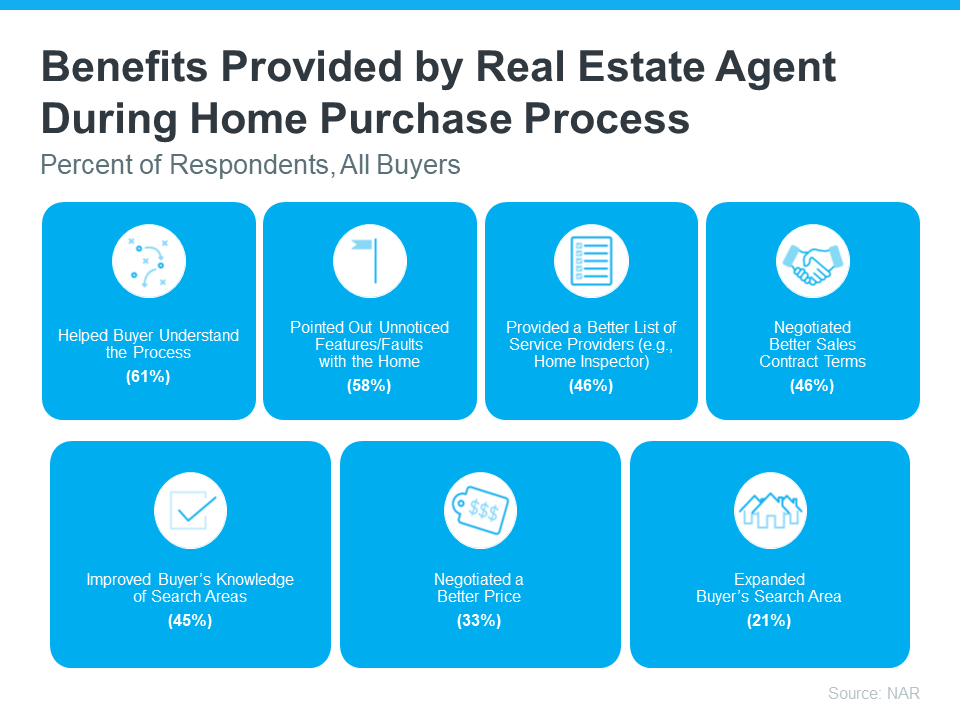
The visual below shows some examples from that same NAR release of the many ways an agent adds value. It includes the percentage of homebuyers in that report who highlighted each of these benefits:

Here’s a bit more context on how the survey results noted an agent continually helps buyers in these situations:

  • Helped Buyer’s Understand the Process: Do you know the difference between an inspection and an appraisal, what each report tells you, and why they’re both important? Or that there are things you shouldn’t do after applying for a mortgage, like buying appliances or furniture? An agent knows all of these best practices and will share them with you along the way, so you don’t miss any key steps by the time you get to the closing table.
  • Pointed Out Unnoticed Features or Faults with the Home: An agent also has a lot of experience evaluating homes. They’ve truly seen it all. They’ll be able to pinpoint some things you may not have noticed about the home that could help inform your decision or at least what repairs you ask for.
  • Provided a Better List of Service Providers: In a real estate transaction, there are a lot of people involved. An agent has experience working with various professionals in your area, like home inspectors, and can help connect you with the pros you need for a successful experience.
  • Negotiated Better Contract Terms and Price: Did something pop up in the home inspection or with the appraisal? An agent will help you re-negotiate as needed to get the best terms and price possible for you, so you feel confident with your big purchase.
  • Improved Buyer’s Knowledge of the Search Area: Moving to a new town and you’re not familiar with the area, or you’re staying nearby, but don’t know which neighborhoods are most affordable? Either way, an agent knows the local area like the back of their hand and can help you find the perfect location for your needs.
  • Expanded Buyer’s Search Area: And if you’re not finding anything you’re interested in within your initial search radius, an agent will know other neighborhoods nearby you should consider based on what you like, what amenities you want, and more.

Bottom Line

If you’re looking to buy a home, don’t forget about the many ways an agent is essential to that process. Any hurdle that pops up, a negotiation that needs to take place, and more, your agent will know how to handle it while they make sure to minimize your stress along the way. Let’s connect to tackle this together.

Marty Gale

Buy or Sell with Marty Gale

"Its The Experience"

Principal Broker and Owner of Utah Realty™

Licensed Since 1986

CERTIFIED LUXURY HOME MARKETING SPECIALIST (CLHM)

PSA  (Pricing Strategy Advisor)

General Contractor 2000 (in-active)
e-pro (advanced digital marketing) 2001
Certified Residential Specialist 2009

Certified Negotiation Expert 2014

Master Certified Negotiation Expert 2014
Certified Probate Specialist Since 2018

Senior Real Estate Specialist

Certified Divorce Specialist CDS


Contact me! 


New Loan Limits Raised To Help Home Buyers in 2024

New Loan Limits Raised To Help Home Buyers in 2024

The year 2024 has begun with a bang, as the Federal Housing Administration (FHA) and conventional loan limits have increased. This means that potential homebuyers and refinancers now have even more opportunities to secure funding for their dream homes or make improvements to their existing properties. In this article, we will dive into the details of these new loan limits and discuss how they can benefit you. So, let’s get started on your journey to homeownership or financing your next venture!

Understanding The New Loan Limits For 2024

With the turn of the year, major changes have taken place in the loan industry, particularly with regard to the Federal Housing Administration (FHA) and conventional loan limits. These changes have been eagerly anticipated by homebuyers, real estate agents, and lenders alike. The new loan limits for 2024 have increased, and prospective homebuyers need to understand what this means for their borrowing power.

The FHA loan program, managed by the Department of Housing and Urban Development (HUD), ensures that more Americans have access to affordable housing options. FHA loans are favored by first-time homebuyers due to their low down payment requirements and flexible credit guidelines. The loan limits for FHA loans vary by county, taking into account local housing market conditions. For 2024, these loan limits have seen a considerable increase across the country.

Counties in the State of Utah where the median home value is below the national average, the FHA loan limit has been raised to $498,257.  Counties that have a cap of $498,257 are Beaver, Cache, Carbon Daggett, Duchesne, Emery, Garfield, Iron, Kane, Millard, Piute, Sanjuan, Sanpete, Sevier, and Unitah Counties. Other counties have caps that are as follows: Grand County $607,200, Juab County $601,450, Rich County $579,600, Salt Lake County $619,850, Utah County  $601,450, Washington County $593,400, Weber County $744,050 Wasatch County and Summit County  $1,149,825, Morgan County $744,050, and Davis County $744,050.

The conventional loan market has also seen an increase in loan limits for 2024. Conventional loans are not insured or guaranteed by a government agency like FHA loans, and they typically require higher credit scores and down payments. However, they offer more flexibility in terms of loan amount and property types.

For single-unit properties, the loan limit for conventional loans has been raised to $647,200. This means that borrowers can now secure a conventional loan up to this amount without having to resort to jumbo loans, which often carry higher interest rates and stricter qualification criteria. In certain areas with higher construction costs or high demand, the loan limit can be even higher, allowing more buyers to afford homes in these locations.

Understanding the new loan limits for 2024 is crucial for prospective homebuyers as it directly impacts their borrowing power and the type of loan they can qualify for. The increased loan limits make homeownership more accessible and affordable for a broader range of individuals and families.

However, it’s important to note that while the new loan limits have increased, other factors such as credit scores, debt-to-income ratios, and employment history still play a significant role in determining a borrower’s eligibility for a home loan. Lenders will still evaluate these factors to ensure that borrowers have the financial ability to repay the loan.

While the higher loan limits offer larger loan amounts, potential homebuyers should carefully consider their financial capabilities and budget before taking on a larger loan. It’s crucial to strike a balance between borrowing as much as possible and maintaining a comfortable monthly payment that aligns with one’s financial goals and lifestyle.

In conclusion, the new loan limits for 2024 have increased for both FHA and conventional loans, providing opportunities for more homebuyers to enter the market and purchase their dream homes. The expanded loan limits reflect the growing cost of housing across the country and aim to make homeownership more attainable for a wider range of individuals. However, it’s essential to approach borrowing with caution and factor in personal financial circumstances to ensure responsible homeownership and long-term financial stability.

Exploring The Increased FHA Loan Limits

The Federal Housing Administration (FHA) recently announced an increase in loan limits for 2024, bringing good news for homebuyers who are considering applying for an FHA loan. These new limits are set to take effect on January 1st, 2024, and are designed to keep pace with the increasing cost of housing in various markets across the United States.

The FHA loan program has been an essential resource for many first-time homebuyers, as it offers more lenient qualification requirements and lower down payment options compared to conventional loans. With the increased loan limits, potential homebuyers will have greater access to affordable financing, allowing them to purchase homes in higher-priced markets.

For a better understanding of the impact of these increased loan limits, let’s explore what this means for homebuyers considering an FHA loan:

1. Enhanced Buying Power: With higher loan limits, potential homebuyers will have more buying power in high-cost areas like California, New York, and Massachusetts. It means that borrowers can secure a larger loan amount, enabling them to consider a wider range of properties within their desired location.

2. Increased Access to Affordable Housing: One of the main goals of the FHA loan program is to assist low- and moderate-income borrowers in accessing affordable housing. By raising the loan limits, more borrowers will qualify for FHA loans, potentially opening up additional opportunities for homeownership in areas where the median home prices are higher.

3. Reduced Down Payment Requirements: FHA loans require a minimum down payment of 3.5% compared to the 5% or more required by conventional loans. With the increased loan limits, borrowers can take advantage of this lower down payment requirement while still being able to purchase a home in a more expensive market.

4. Potentially Lower Interest Rates: FHA loans often come with competitive interest rates, which can be particularly beneficial for borrowers who may have lower credit scores. With the increased loan limits, more borrowers will be eligible for FHA loans, potentially driving down interest rates due to increased demand for these loans.

5. Streamlined Refinancing Options: For homeowners with existing FHA loans who are looking to refinance, the increased loan limits also bring potential advantages. Higher loan limits can provide an opportunity to refinance into a larger loan, allowing homeowners to tap into their home equity and potentially secure a lower interest rate.

It is important to note that while the FHA loan limits have been increased, borrowers must still meet the FHA’s qualifying criteria, including creditworthiness, income requirements, and debt-to-income ratios. Additionally, loan limits will vary based on location, as they are determined by housing market data.

In conclusion, the increased FHA loan limits for 2024 are undoubtedly a positive development for prospective homebuyers, particularly those looking to purchase homes in high-cost areas. By expanding the loan limits, the FHA aims to provide a greater opportunity for affordable homeownership and bridge the gap for individuals who may have previously struggled to secure financing. Whether you’re a first-time homebuyer or looking to refinance an existing FHA loan, these increased loan limits open up new possibilities and make homeownership an achievable dream for many.

Unveiling The Expanded Conventional Loan Limits

Most of Utah has a conventional loan limits of $766,550. Summit and Wasatch Counties are  $1,149,825, with Wayne County at $997,050.

With the new year comes new opportunities, especially in the world of home financing. The Federal Housing Administration (FHA) and conventional loan limits for 2024 have increased, providing potential homebuyers with expanded options and greater purchasing power. In this article, we will focus on the expanded conventional loan limits and how they can benefit those in the market for a new home.

Conventional loans, as opposed to government-backed loans like FHA loans, are mortgages that are not insured or guaranteed by a government agency. These loans are often sought after by borrowers with strong credit profiles and the ability to make a larger down payment. With the recent increase in conventional loan limits, borrowers now have a greater capacity to secure financing for their dream homes.

So, what exactly do the expanded conventional loan limits mean for homebuyers? Essentially, these limits determine the maximum amount that can be borrowed in a specific geographic area, without surpassing the boundaries set by loan type and property size. The higher the loan limit in a given area, the more purchasing power borrowers have when it comes to securing a conventional loan.

The conventional loan limits for 2024 have been adjusted to reflect the ongoing trends in the housing market and the rising cost of real estate. This increase allows borrowers to access larger loan amounts, which can be advantageous for those residing in high-cost areas or seeking to invest in pricier properties. In fact, in certain expensive urban areas, the expanded loan limits can help bridge the gap between the price of homes and the financing options available, making homeownership more achievable for many.

For instance, let’s say you are looking to purchase a home in a metropolitan area where property prices have steadily risen over the years. With the expanded conventional loan limits, you now have the opportunity to obtain a larger loan amount, provided you meet the necessary requirements. This means being able to access additional funds to put towards your down payment, making it easier to afford a home that might have previously been out of reach.

Moreover, the expanded conventional loan limits can also have a positive impact on the real estate market as a whole. By raising the loan limits, potential buyers are given the ability to invest in higher-priced properties, which can spur growth and stability in certain neighborhoods. Additionally, this increase may attract more investors and homebuyers, injecting vitality into the housing industry and providing a boost to the local economy.

However, it’s important to remember that the expanded conventional loan limits do not guarantee loan approval. Borrowers must still meet specific criteria related to creditworthiness, income, and employment history. Lenders will assess each individual’s financial situation and determine their eligibility based on these factors, in addition to the loan limits set for their specific area.

In conclusion, the expanded conventional loan limits for 2024 offer a significant opportunity for homebuyers to afford properties that were previously out of their reach. With the higher loan limits, borrowers can access larger loan amounts, making homeownership in high-cost areas a possibility for many. This increase in purchasing power not only benefits individual buyers but also has a positive impact on the real estate market as a whole. As always, it is crucial to consult with a trusted lender or mortgage professional to explore the best loan options available and determine the borrowing capacity within the expanded loan limits.

How These Changes Impact Homebuyers And Real Estate Market

The recent increase in loan limits for FHA and conventional loans in 2024 has brought about several key changes that directly impact homebuyers and the real estate market as a whole. These adjustments have the potential to affect various aspects of the homebuying process, including affordability, loan options, and market dynamics.

One of the primary ways in which these changes impact homebuyers is by increasing their ability to qualify for larger loan amounts. The higher loan limits mean that potential buyers can now access more funds to purchase a home, allowing them to consider properties that may have previously been out of their financial reach. This expansion of loan options presents an opportunity for individuals and families to explore a broader range of housing options that better suit their needs and preferences.

Moreover, the increased loan limits also address the issue of housing affordability by helping to bridge the gap between rising home prices and buyers’ purchasing power. Many housing markets across the country have experienced significant price appreciation over the past few years, making it challenging for some homebuyers to enter the market. With the higher loan limits, more buyers may have the opportunity to purchase homes in areas that were previously unaffordable. This could potentially contribute to a more robust and inclusive real estate market by offering a greater range of possibilities to a broader segment of the population.

In addition to individual homebuyers, the real estate market as a whole is also impacted by these loan limit increases. The availability of larger loan amounts can stimulate demand for homes in certain markets, leading to increased competition among buyers. As a result, sellers may find themselves in a more favorable position, with the potential for multiple offers and quicker property turnover. This heightened level of activity can create a dynamic market environment, encouraging homeowners to list their properties and contributing to overall market growth.

Furthermore, the increased loan limits can also facilitate the financing of higher-priced properties. In certain areas where property values are already high, the previous loan limits may have been restrictive, limiting the pool of potential buyers. With the new limits, more buyers can access financing for properties in these areas, which could, in turn, drive home prices higher as demand increases. This effect might be particularly noticeable in competitive markets where supply is limited, potentially leading to further price appreciation.

It’s worth noting that while the increase in loan limits brings many benefits, it is essential for homebuyers and industry professionals to proceed with caution and consider their financial capabilities. A larger loan amount may allow for more extensive purchasing power, but it also means taking on a higher level of debt. As with any mortgage, borrowers should carefully evaluate their finances, budget, and personal circumstances before committing to a higher loan amount. Consulting with a qualified mortgage advisor or financial professional is always recommended to ensure that the loan is both suitable and manageable.

Overall, the new loan limits for 2024 FHA and conventional loans have created opportunities and potential challenges for homebuyers and the wider real estate market. The increased access to financing empowers buyers to consider a broader range of properties and promotes housing affordability, while also driving market dynamics and influencing property values. It is crucial for all parties involved to navigate these changes judiciously, considering their individual financial situations and market conditions to make informed decisions that align with their long-term goals.

Marty Gale

Buy or Sell with Marty Gale

"Its The Experience"

Principal Broker and Owner of Utah Realty™

Licensed Since 1986

CERTIFIED LUXURY HOME MARKETING SPECIALIST (CLHM)

PSA  (Pricing Strategy Advisor)

General Contractor 2000 (in-active)
e-pro (advanced digital marketing) 2001
Certified Residential Specialist 2009

Certified Negotiation Expert 2014

Master Certified Negotiation Expert 2014
Certified Probate Specialist Since 2018

Senior Real Estate Specialist

Certified Divorce Specialist CDS


Contact me! 


Experts Project Home Prices Will Rise over the Next 5 Years

Experts Project Home Prices Will Rise over the Next 5 Years

Experts Project Home Prices Will Rise over the Next 5 Years

Even with so much data showing home prices are actually rising in most of the country, there are still a lot of people who worry there will be another price crash in the immediate future. In fact, a recent survey from Fannie Mae shows that 23% of consumers think prices will fall over the next 12 months. That’s nearly one in four people who are dealing with that fear – maybe you’re one of them.

To help ease that concern, here’s what the experts say will happen with home prices not just next year, but over the next five years.

Experts Project Ongoing Appreciation

While seeing a small handful of expert opinions may not be enough to change your mind, hopefully, a larger group of experts will reassure you. Here’s that larger group.

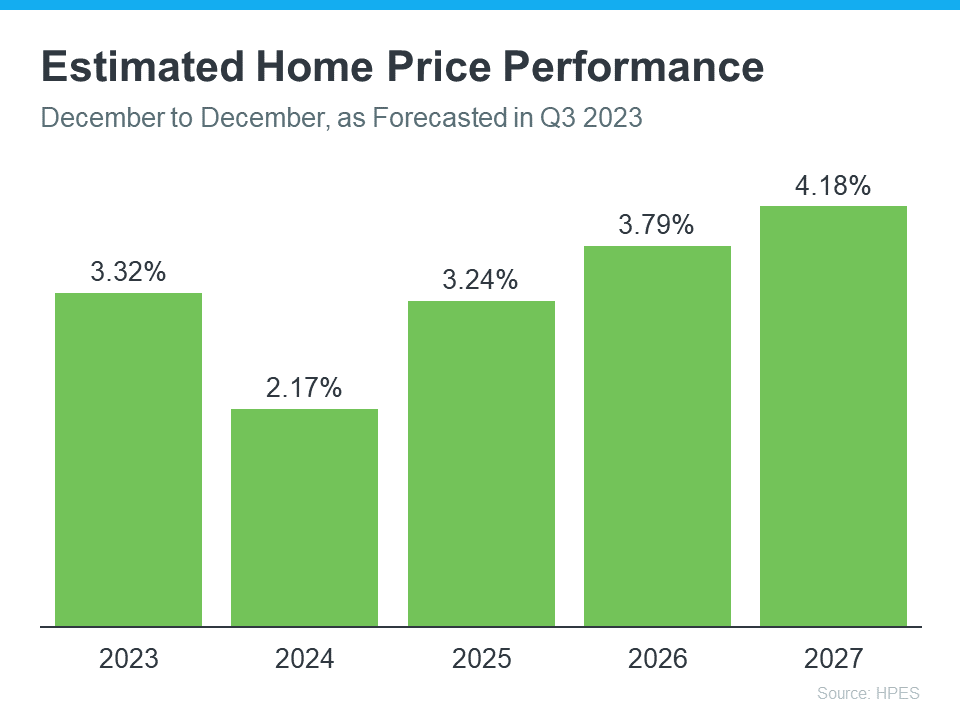
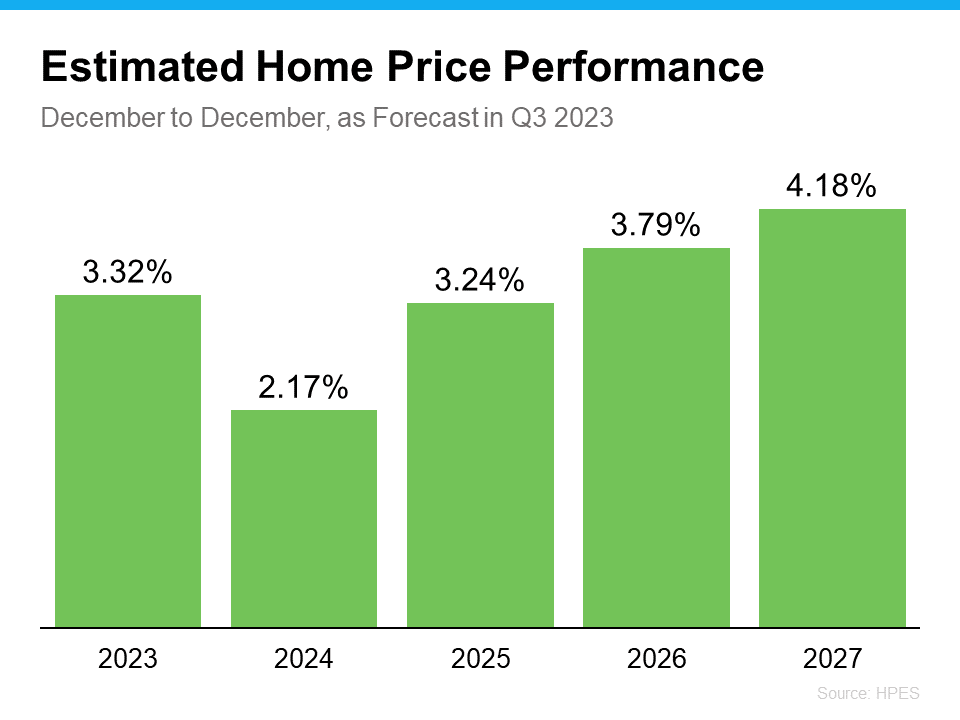
The Home Price Expectation Survey (HPES) from Pulsenomics is a great resource to show what experts forecast for home prices over a five-year period. It includes projections from over 100 economists, investment strategists, and housing market analysts. And the results from the latest quarterly release show home prices are expected to go up every year through 2027 (see graph below):

And while the projected increase in 2024 isn’t as large as 2023, remember home price appreciation is cumulative. In other words, if these experts are correct after your home’s value rises by 3.32% this year, it should go up by another 2.17% next year.

If you’re worried home prices are going to fall, here’s the big takeaway. Even though prices vary by local area, experts project they’ll continue to rise across the country for years to come at a pace that’s more normal for the market.

What Does This Mean for You?

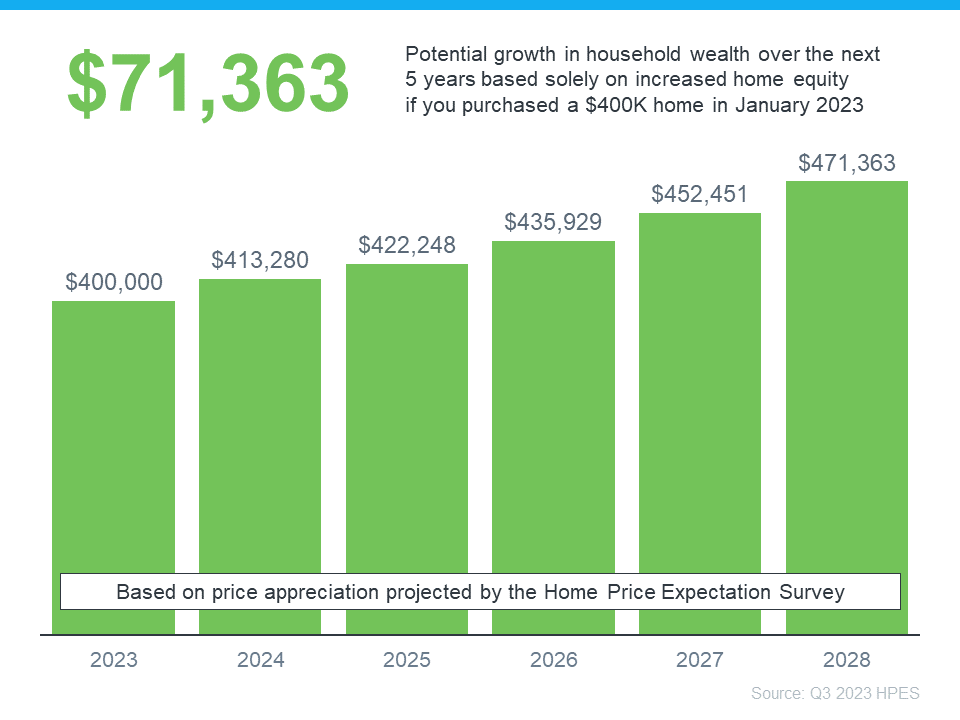
If you’re not convinced yet, maybe these numbers will get your attention. They show how a typical home’s value could change over the next few years using the expert projections from the HPES. Check out the graph below:

In this example, let’s say you bought a $400,000 home at the beginning of this year. If you factor in the forecast from the HPES, you could potentially accumulate more than $71,000 in household wealth over the next five years.

Bottom Line

If you’re someone who’s worried home prices are going to fall, rest assured a lot of experts say it’s just the opposite – nationally, home prices will continue to climb not just next year, but for years to come. If you have any questions or concerns about what’s next for home prices in our local area, let’s connect.

Marty Gale

Buy or Sell with Marty Gale

"Its The Experience"

Principal Broker and Owner of Utah Realty™

Licensed Since 1986

CERTIFIED LUXURY HOME MARKETING SPECIALIST (CLHM)

PSA  (Pricing Strategy Advisor)

General Contractor 2000 (in-active)
e-pro (advanced digital marketing) 2001
Certified Residential Specialist 2009

Certified Negotiation Expert 2014

Master Certified Negotiation Expert 2014
Certified Probate Specialist Since 2018

Senior Real Estate Specialist

Certified Divorce Specialist CDS


Contact me! 


Wednesday Word  |  After-Repair Value

Wednesday Word | After-Repair Value

“Wednesday Word”     After-Repair Value or ARV

 
What Is After-Repair Value (ARV) In Real Estate? ARV is the estimated value of a property after completed renovations, not in its current condition. House flippers commonly use ARV as a way to gauge the worth of a fixer-upper property, including how much it can be bought, and then resold for after repairs.
House flippers commonly use ARV as a way to gauge the worth of a fixer-upper property, including how much it can be bought, and then resold for after repairs.

The world of House Flipping!  Let’s delve into the world of real estate and uncover the ins and outs of ARV, or After Repaired Value. In today’s discussion, we will specifically focus on the challenges faced by homeowners when dealing with house flippers. With the rising popularity of flipping properties for profit, it’s essential to understand the concept of ARV and the potential pitfalls that can arise during these transactions. Whether you’re a homeowner looking to sell or a curious enthusiast of real estate, this article aims to provide you with valuable insights into the world of house flipping and the problems that can arise when dealing with one.

Understanding ARV: The Key Metric For House Flippers

Understanding ARV: The Key Metric For House Flippers

When it comes to the world of house flipping, one of the most crucial metrics to understand is the After Repaired Value (ARV). ARV represents the estimated value of a property after it has been repaired and renovated, making it a vital tool for both experienced and novice house flippers. This metric not only helps flippers determine potential profit margins but also assists in assessing risks and making smart investment decisions.

House flippers are individuals or companies who purchase distressed properties, renovate them, and sell them for a profit. The success of their endeavors largely depends on accurately estimating the ARV of the property they plan to flip. However, determining the ARV is not as simple as it may seem. It requires a thorough analysis of various factors, including market trends, property condition, location, and the costs associated with repairs and renovations.

One common problem that house flippers encounter is underestimating the ARV. When flippers fail to accurately assess the potential value of a property after it has been repaired, it can lead to significant financial losses. Overlooking important details or relying on outdated information can result in unrealistic expectations and an inability to sell the property at the desired price.

To avoid this problem, flippers should conduct comprehensive market research and utilize the expertise of real estate professionals. This may involve studying comparable properties in the area that have recently sold, analyzing market trends, and consulting with realtors or appraisers who have a deep understanding of the local market. By incorporating these analyses into their calculations, flippers can make more informed decisions and mitigate potential risks.

Another challenge that flippers often face is accurately estimating the cost of repairs and renovations. Renovating a property can be a complex process, and unforeseen expenses are not uncommon. Flippers must consider the cost of materials, labor, permits, and potential delays when determining the budget for renovations. Any miscalculations in this area can significantly impact their profit margins.

To overcome this challenge, it is crucial for flippers to work closely with contractors and other professionals in the construction industry. Having reliable and trustworthy experts who can accurately assess the scope of work and provide accurate cost estimates is essential. By involving professionals from the beginning, flippers can avoid unexpected surprises and ensure that their budget aligns with the desired outcome.

Additionally, flippers must also take into account the time it takes to renovate and sell the property. Holding costs, such as loan payments, property taxes, and utilities, can quickly eat into profits if the property remains on the market for an extended period. Therefore, accurately estimating the time required for renovations and factoring it into financial planning is essential for successful house flipping.

In conclusion, ARV is a key metric for house flippers, allowing them to determine potential profit margins, assess risks, and make informed investment decisions. Understanding ARV requires a comprehensive analysis of various factors and market trends, as well as accurate calculations of repair and renovation costs. By avoiding common pitfalls such as underestimating the ARV or miscalculating renovation expenses, flippers can increase their chances of success in the highly competitive world of house flipping.

The Appeal And Pitfalls Of House Flipping

House flipping has gained significant popularity over the years, attracting both seasoned investors and budding entrepreneurs looking to make a quick profit in the real estate market. With the promise of substantial returns, the appeal of house flipping is undeniable. However, behind the allure lies a host of potential pitfalls and challenges that house flippers must navigate.
At the heart of successful house flipping lies a key concept known as the After Repaired Value (ARV). ARV refers to the estimated value of a property after it has undergone necessary repairs and renovations. This value is crucial for house flippers as it determines the potential profit or loss they will incur on their investment.

The ARV is calculated by considering several factors, including the current market conditions, the property’s location, its size and layout, as well as the quality of the repairs and upgrades to be made. For house flippers, accurately estimating the ARV is essential in determining the purchase price they are willing to pay for a distressed property.

The appeal of house flipping lies in the potential for substantial profits. Successful house flippers can often turn a neglected, run-down property into a desirable living space, commanding a higher price in the market. This ability to transform a property and contribute to the revitalization of neighborhoods can be incredibly fulfilling for investors.

Moreover, house flipping allows individuals to capitalize on their creativity and vision. Through strategic renovations and upgrades, house flippers can add value to the property and attract potential buyers or tenants. This aspect of house flipping appeals to those with a keen eye for design and a passion for transforming spaces.

Despite its appeal, house flipping is not without its challenges. One of the most significant pitfalls of house flipping revolves around the unpredictability of renovation costs. In many cases, unforeseen problems such as structural issues, plumbing or electrical problems, or even permit delays can lead to significant cost overruns. These unexpected expenses can eat into the potential profit margins and turn a lucrative venture into a financial burden for house flippers.

Another challenge that house flippers often face is the competitive nature of the real estate market. As more individuals venture into house flipping, the demand for distressed properties increases, making it harder to find lucrative investment opportunities. The increased competition can lead to inflated purchase prices and, consequently, decreased profit margins for house flippers.
Furthermore, dealing with contractors and subcontractors can also pose challenges for house flippers. Coordinating schedules, ensuring quality workmanship, and managing the overall renovation process can be time-consuming and stressful. Delays in completing renovations can negatively impact the potential profit of the project and stretch the timeline for completion.

Lastly, house flippers must also consider the market conditions and trends when determining the ARV. A sudden market downturn or changes in buyer preferences can significantly impact the property’s value, potentially leading to a loss instead of a profit. Staying informed about the local real estate market and accurately forecasting future trends is essential for success in the house flipping business.

In conclusion, house flipping offers a tempting proposition for investors seeking to enter the world of real estate. The potential for substantial profits and the ability to transform neglected properties into desirable living spaces are alluring aspects of this venture. However, the path to success in house flipping is fraught with challenges. Accurately estimating the After Repaired Value, managing renovation costs, dealing with market competition, and navigating the complicated renovation process are just a few of the hurdles that house flippers must overcome. Despite the pitfalls, those who approach house flipping with thorough research, careful planning, and a realistic understanding of the risks can find success in this exciting and potentially profitable endeavor.

Challenges In Dealing With House Flippers: A Deep Dive

House flipping has become a popular practice in the real estate industry. House flippers, also known as real estate investors, purchase distressed or undervalued properties, make renovations and repairs, and then sell them for a profit. This practice has gained significant attention due to the potential returns it offers, attracting both experienced professionals and novice investors. However, while house flipping can be a lucrative business, there are several challenges associated with dealing with house flippers that prospective sellers should be aware of.

One of the major challenges in dealing with house flippers is accurately determining the After Repaired Value (ARV) of the property. The ARV is the estimated value of a property after it has undergone the necessary repairs and renovations. House flippers rely heavily on this value to determine the budget and potential profit of a house flip. However, estimating the ARV accurately can be a complex task as it involves considering numerous factors such as the property’s location, market conditions, and comparable sales in the area. Sellers who are not familiar with these considerations may find it difficult to negotiate a fair price with house flippers.

Another challenge in dealing with house flippers is ensuring that the repairs and renovations they undertake are of high-quality. House flippers often have tight budgets and strict timelines, which can sometimes result in them cutting corners or using subpar materials. This can lead to issues down the line, leaving the seller responsible for any problems that arise after the sale. It is crucial for sellers to thoroughly vet house flippers, check their previous projects, and ensure that proper contracts are in place to protect their interests.

Transparency is yet another challenge often faced when dealing with house flippers. Some investors may hide certain information about the property or its history to maximize their profit margins. It is important for sellers to be aware of any potential liens, legal issues, or structural problems associated with the house. Conducting a thorough inspection and working with reputable professionals such as real estate agents or property inspectors can help sellers uncover any hidden issues and make informed decisions.

One of the most significant concerns when dealing with house flippers lies in the communication process. Many investors work on multiple projects simultaneously, and it can be challenging to maintain consistent and open communication throughout the entire process. Sellers may find it frustrating to get updates on the progress of the renovations, negotiate changes or additional repairs, or even finalize the sale. Establishing clear lines of communication and ensuring regular updates can mitigate these challenges and maintain a positive working relationship with house flippers.

Moreover, the fast-paced nature of house flipping can sometimes create pressure on the seller to make quick decisions without fully considering all available options. House flippers often present attractive cash offers, positioning themselves as a hassle-free alternative to the traditional selling process. However, it is essential for sellers to carefully evaluate these offers against other options, such as working with real estate agents or exploring the market to potentially fetch a higher sale price.

Overall, while house flipping can offer beneficial opportunities for both buyers and sellers, dealing with house flippers can present a unique set of challenges. Accurately determining the ARV, ensuring quality repairs, promoting transparency, maintaining effective communication, and carefully evaluating offers are crucial steps for sellers to navigate the intricacies of working with house flippers. By taking these challenges into account, sellers can minimize risks and maximize the potential rewards associated with selling properties to house flippers.

Strategies For Overcoming Problems With House Flippers

When it comes to dealing with house flippers, there can be a variety of challenges that arise. These challenges can stem from differing priorities, misunderstandings, or even unethical practices. While it is true that not all house flippers are problematic, it’s important to be aware of the potential issues that may arise when working with them. In this section, we will discuss strategies for overcoming problems with house flippers and ensuring a smooth transaction.

1. Research the Flipper: Before entering into any agreement with a house flipper, it is crucial to conduct thorough research on their background, track record, and reputation. Look for reviews, testimonials, or case studies to gauge their credibility and reliability. This step can save you from potential headaches down the line. It’s also a good idea to ask for references and reach out to past clients to cross-verify their experiences.

2. Set Clear Expectations: When working with house flippers, it is essential to have open and honest communication from the beginning. Clearly define your goals, timelines, and expectations regarding the project. Discuss the scope of work, budget, and any specific requirements you may have. This will help set realistic expectations and minimize misunderstandings during the process.

3. Get Everything in Writing: It’s crucial to document all agreements, contracts, and discussions in writing. Having a written agreement ensures that both parties are on the same page and helps protect your interests. Include details such as the schedule of work, payment terms, responsibilities of each party, and remedies for breach of contract. This will provide a reference point in case any disagreements or disputes arise.

4. Regular Communication and Inspections: To avoid surprises and maintain transparency, it is important to establish a regular communication schedule with the house flipper. Stay involved in the process by visiting the property regularly to monitor progress and address any concerns promptly. Regular inspections can help identify potential issues and allow you to address them before they become more significant problems.

5. Secure Financing and Independent Appraisal: Before beginning any transactions with house flippers, it is crucial to have your financing in order. Obtain pre-approval from your lender to ensure you have the funds necessary to complete the project. Additionally, consider getting an independent appraisal of the property to determine its accurate After Repaired Value (ARV). This will help you gauge the profitability of the project and avoid overpaying for the property.

6. Work with Professionals: Considering the complexity of real estate transactions, it is advisable to seek professional help when dealing with house flippers. Hire a real estate attorney who specializes in property transactions to review contracts and safeguard your interests. Additionally, consider collaborating with real estate agents, inspectors, and contractors who have experience dealing with house flippers. These professionals can offer guidance, insights, and additional layers of protection throughout the process.

7. Trust Your Instincts and Walk Away if Necessary: If you have reservations or concerns about a house flipper or their practices, trust your instincts. If something doesn’t feel right or you suspect unethical behavior, it may be best to walk away from the transaction. Avoid getting caught up in potential scams or compromising situations that could lead to financial or legal troubles. Remember, it’s better to lose out on a potential deal than to enter into a harmful agreement.

By implementing these strategies, you can minimize the risks and problems associated with dealing with house flippers. While not all flippers are problematic, it is crucial to conduct due diligence and take necessary precautions before engaging in any real estate transactions. Stay informed, communicate effectively, and prioritize your best interests to ensure a smooth and successful experience.


Marty Gale

Buy or Sell with Marty Gale

"Its The Experience"

Principal Broker and Owner of Utah Realty™

Licensed Since 1986

CERTIFIED LUXURY HOME MARKETING SPECIALIST (CLHM)

PSA  (Pricing Strategy Advisor)

General Contractor 2000 (in-active)
e-pro (advanced digital marketing) 2001
Certified Residential Specialist 2009

Certified Negotiation Expert 2014

Master Certified Negotiation Expert 2014
Certified Probate Specialist Since 2018

Senior Real Estate Specialist

Certified Divorce Specialist CDS


Contact me! 


Are the Top 3 Housing Market Questions on Your Mind?

Are the Top 3 Housing Market Questions on Your Mind?

Are the Top 3 Housing Market Questions on Your Mind?

When it comes to what’s happening in the housing market, there’s a lot of confusion going around right now. You may hear one thing in conversation with your friends, see something totally different on the news, and read something on social media that contradicts both of those thoughts. And, if you’re thinking about making a move, that can leave you with a lot of lingering questions. That’s where a trusted local real estate agent comes in.

Here are the top 3 questions people are asking about today’s housing market, and the data to help answer them.

1. What’s Next for Mortgage Rates?

Mortgage rates are higher than they’ve been in recent years. And, if you’re looking to buy a home, that impacts how much you can afford. That’s why so many buyers want to know what’s ahead for mortgage rates. The answer to that question is: no one can say for certain, but here’s what we know based on historical trends.

There’s a long-standing relationship between mortgage rates and inflation. Basically, when inflation is high, mortgage rates tend to follow suit. Over the past year, inflation was up, so mortgage rates were as well. But inflation is easing now. And this is why the Federal Reserve has recently paused their federal funds rate hikes, which means many experts believe mortgage rates will begin to come down.

And in some ways, we’ve started to see hints of slightly lower mortgage rates in recent weeks. But it’s certainly been volatile and will likely continue to be that way going into next year. Some ongoing variation is to be expected, but the anticipation is, that in 2024, we’ll see a downward trend. As Aziz Sunderji, Strategist at Home Economics, says:

“The bottom line is that interest rates are likely to be lower-perhaps even lower than many optimists think – in the weeks and months to come.”

2. Where Are Home Prices Headed?

While there’s been a lot of concern prices would come crashing down this year, data shows that didn’t happen. In fact, home prices are rising in most of the nation. Experts say that trend will continue, just at a slower pace that’s much more normal for the housing market – and that’s a good thing.

To help show just how confident experts are in this continued appreciation, take a look at the Home Price Expectation Survey from Pulsenomics. It’s a survey of a national panel of over 100 economists, real estate experts, and investment and market strategists. As the graph below shows, the consensus is, that prices will keep climbing next year, and in the years to come.

3. Is a Recession Around the Corner?

While recession talk has been a common thing over the past few years, there’s good news on that front.

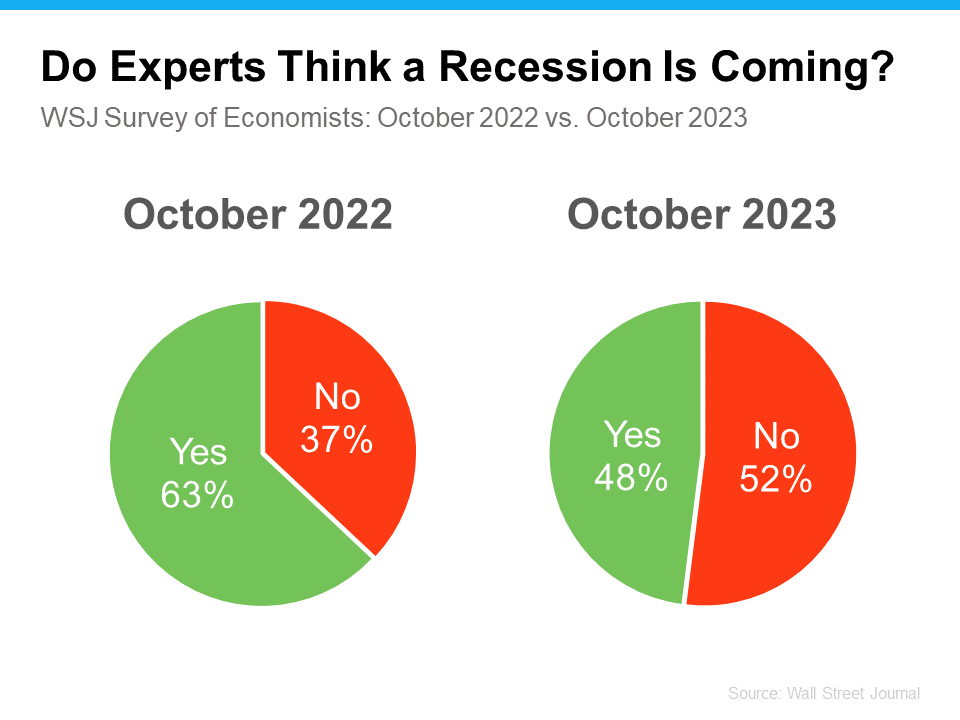
The Wall Street Journal (WSJ) polls experts on this topic regularly. And last year at this time, most of them thought a recession would have happened by now. But as experts look at all the leading indicators today, they’re changing their minds and saying a recession is getting less and less likely. The latest results show that more experts now think we’re not headed for another recession (see chart below):

This is big news for the housing market. And while the 48% to 52% split may seem close to half and half, the key thing to focus on is that the majority of these experts think we’ve avoided a recession already.

Bottom Line

The big takeaway? The data shows there isn’t cause for concern – there are actually more signs of hope. Let’s connect to talk more about the housing market questions on your mind as we head into the new year.

Marty Gale

Buy or Sell with Marty Gale

"Its The Experience"

Principal Broker and Owner of Utah Realty™

Licensed Since 1986

CERTIFIED LUXURY HOME MARKETING SPECIALIST (CLHM)

PSA  (Pricing Strategy Advisor)

General Contractor 2000 (in-active)
e-pro (advanced digital marketing) 2001
Certified Residential Specialist 2009

Certified Negotiation Expert 2014

Master Certified Negotiation Expert 2014
Certified Probate Specialist Since 2018

Senior Real Estate Specialist

Certified Divorce Specialist CDS


Contact me! 


Is Wall Street Buying Up All the Homes in America?

Is Wall Street Buying Up All the Homes in America?

Is Wall Street Buying Up All the Homes in America?

If you’re thinking about buying a home, you may find yourself interested in the latest real estate headlines so you can have a pulse on all of the things that could impact your decision. If that’s the case, you’ve probably heard mention of investors, and wondered how they’re impacting the housing market right now. That could leave you asking yourself questions like:

  • How many homes do investors own?
  • Are institutional investors, like large Wall Street Firms, really buying up so many homes that the average person can’t find one?

To answer those questions, here’s the real story of what’s happening based on the data.  

Let’s start with establishing how many single-family homes (SFHs) there are and what portion of those are rentals owned by investors. According to SFR Investor, which studies the single-family rental market in the United States, there are eighty-two million single-family homes in this country. But how many of them are actually rentals?

According to data shared in a recent post, sixty-eight million (82.93%) of those homes are owner-occupied – meaning the person who owns the home lives in it. If you subtract that sixty-eight million from the total number of single-family homes (82 million), that leaves just about fourteen million homes left that are single-family rentals (SFRs).

Do institutional investors own all of those remaining fourteen million homes? Not even close. Let’s take it one step further. There are four categories of investors:

  • The mom & pop investor who owns between 1-9 SFRs
  • The regional investor who owns between 10-99 SFRs
  • Smaller national investor who owns between 100-999 SFRs
  • The institutional investor who owns over 1,000 SFRs

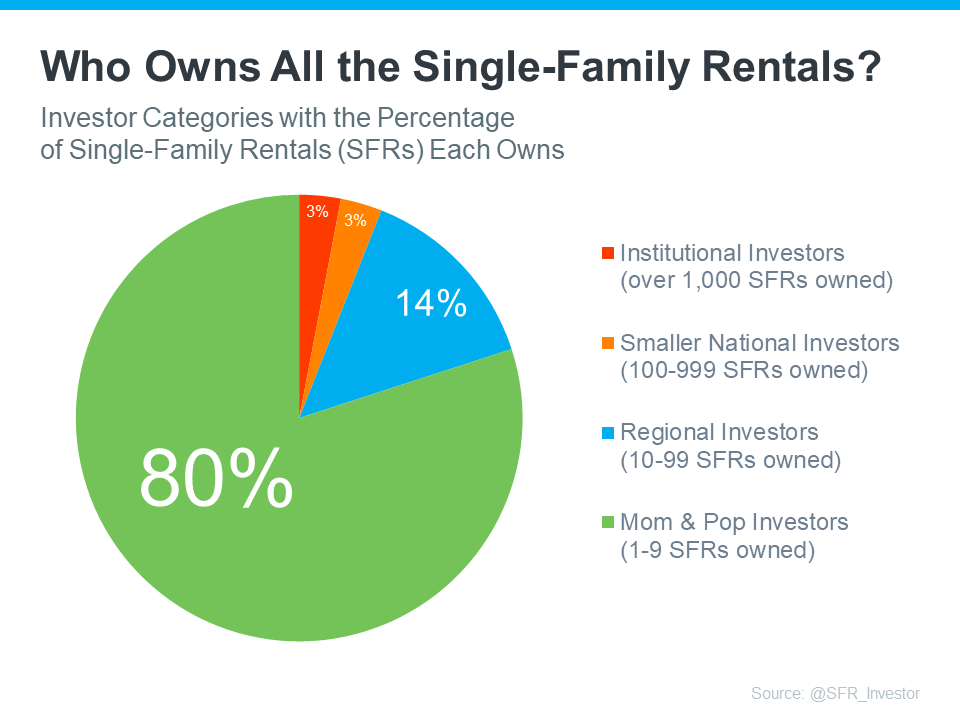
These categories show that not all investors are large institutional investors. To help convey that even more clearly, here are the percentages of rental homes owned by each type of investor (see chart below):


As you can see in the chart, despite what the news and social media would have you believe, the green shows the vast majority are not owned by large institutional investors. Instead, most are owned by small mom & pop investors, like your friends and neighbors.

What’s actually happening is, that there are people out there, just like you, who believe in homeownership, and they view buying a home (or a second home) as an investment. Maybe they saw an opportunity to buy a second home over the last few years to use it as a rental and generate additional income. Or maybe they just decided to keep their first house rather than sell it when they moved up.

So, don’t believe everything you read or hear about institutional investors. They aren’t buying up all the homes and making it impossible for the average person to buy. That’s just not what the numbers show. Institutional investors are actually the smallest piece of the pie chart.

Bottom Line

While it’s true that institutional investors are a player in the single-family rental marketplace, they’re not buying up all of the houses on the market. If you have other questions about things you’re hearing about the housing market, let’s connect so you have an expert to give you the context you need.

cost-effective and flexible solution for an accessory dwelling unit (ADU)?

cost-effective and flexible solution for an accessory dwelling unit (ADU)?

Are you searching for a cost-effective and flexible solution for an accessory dwelling unit (ADU)? Look no further than a manufactured double wide mobile home. ADUs have gained popularity as a versatile and affordable housing option, and manufactured homes offer numerous advantages in this context. In this blog article, we will explore why a manufactured double wide mobile home can be a perfect fit for an ADU, providing a comfortable and functional living space without breaking the bank. Whether you’re looking to accommodate a loved one, generate rental income, or simply expand your living space, this article will showcase the benefits of considering a manufactured double wide mobile home for your ADU needs.

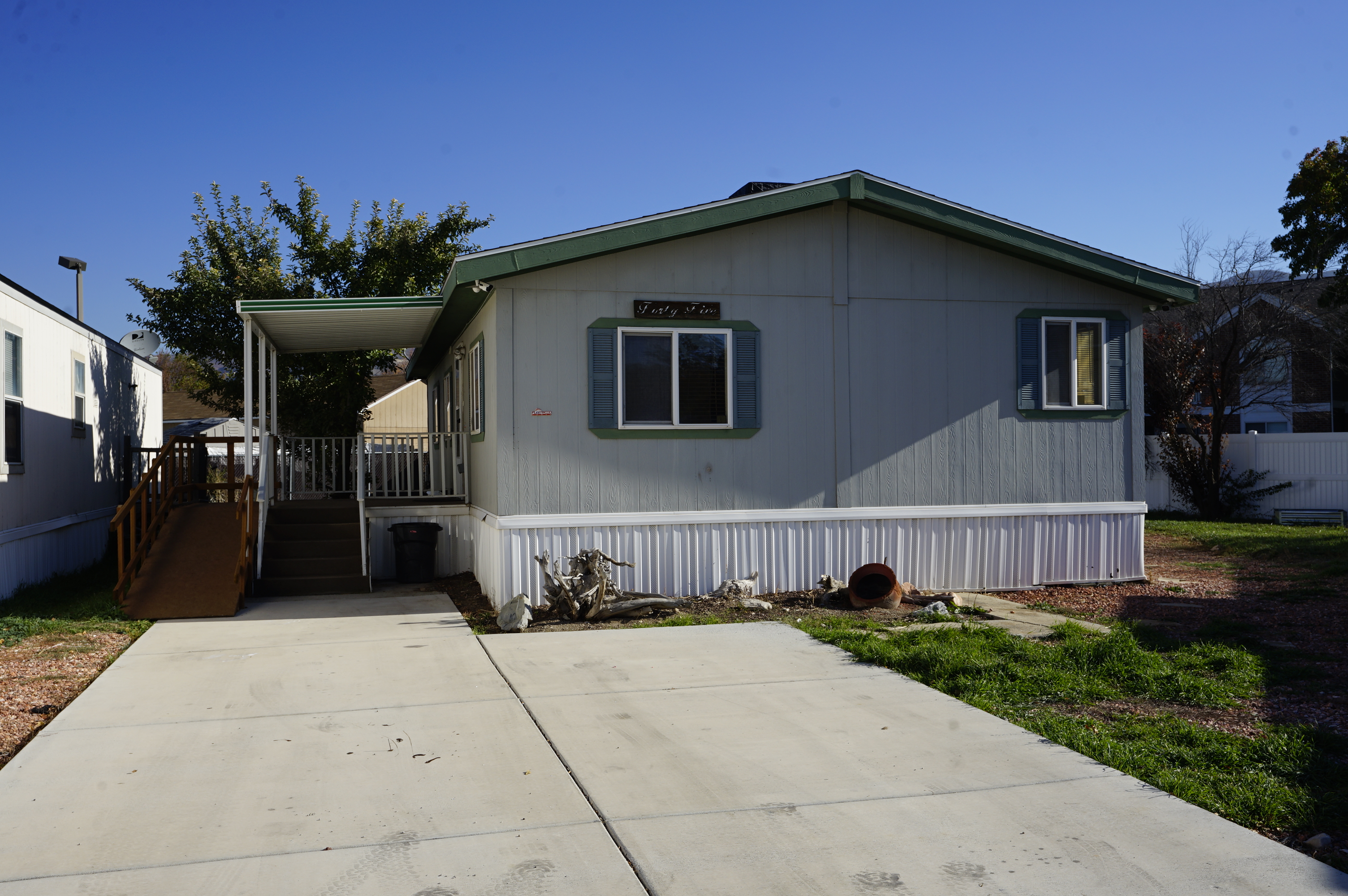
$119,000 Would need to move to your lot.

Cost-Effective And Time-Efficient Construction Of Double Wide Mobile Homes

When it comes to constructing an accessory dwelling unit (ADU), one of the most important factors to consider is cost-effectiveness. ADUs provide a practical solution for housing needs by offering an additional living space on existing residential properties. In recent years, many homeowners have discovered the numerous advantages of using a manufactured double wide mobile home as an ADU.

One of the primary reasons why a manufactured double wide mobile home is cost-effective is due to its construction process. Unlike traditional site-built homes, these mobile homes are built in a controlled environment, typically in a factory setting. This controlled environment ensures increased efficiency and quality control throughout the construction process.

Because of the streamlined manufacturing process, the construction of a double wide mobile home requires less time and labor compared to a site-built ADU. The use of pre-fabricated components allows for faster assembly and installation on-site. This means that homeowners can have their ADU completed in a fraction of the time it would take to build a traditional ADU.

Another cost-saving aspect of manufactured double wide mobile homes is the ability to control material costs. The factory setting allows for bulk purchasing of construction materials, reducing overall expenses. Additionally, the in-house production of components minimizes waste, making the construction process more sustainable and efficient.

In terms of affordability, the overall cost of a manufactured double wide mobile home is typically lower than a site-built ADU. Factors such as reduced labor, controlled production costs, and bulk material purchasing contribute to the lower price point. This affordability makes double wide mobile homes an attractive option for homeowners looking for a cost-effective solution for their ADU needs.

Moreover, the cost-effectiveness of a double wide mobile home doesn’t compromise its quality or durability. These homes are built to meet strict construction standards and regulations. They undergo rigorous inspections during the manufacturing process, ensuring that they meet the necessary safety codes.

Additionally, the materials used in the construction of double wide mobile homes are carefully selected to withstand transportation and installation. They are designed to be durable and resilient, providing homeowners with a long-lasting living space.

Furthermore, double wide mobile homes offer additional cost savings in terms of energy efficiency. These homes are equipped with energy-efficient features, such as insulated walls, high-quality windows, and modern appliances. These energy-saving elements help to reduce utility costs and make the ADU more sustainable.

In conclusion, a manufactured double wide mobile home offers a cost-effective and time-efficient construction solution for the creation of an accessory dwelling unit. The streamlined manufacturing process, reduced labor, controlled material costs, and energy-efficiency make it an attractive option for homeowners seeking a practical and affordable ADU. By choosing a double wide mobile home, homeowners can save time and money while still enjoying a high-quality, durable, and comfortable living space.

The Benefits Of A Double Wide Mobile Home As An Accessory Dwelling Unit

As the demand for affordable housing solutions continues to rise, more and more homeowners are exploring the concept of accessory dwelling units (ADUs) as a viable option. These secondary living spaces built on the same lot as the main dwelling offer a multitude of benefits, from generating rental income to providing a private living space for aging parents, adult children, or guests. When it comes to ADUs, one highly practical and cost-effective solution is a manufactured double wide mobile home.

While mobile homes were previously associated with a certain stigma, the housing industry has made significant advancements in providing high-quality, energy-efficient, and aesthetically pleasing options. Double wide mobile homes, specifically, offer several advantages that make them an ideal choice for an ADU.

1. Affordability: One of the most significant advantages of a double wide mobile home is its affordability. Manufactured homes generally cost significantly less compared to traditional site-built homes, making them an attractive option for homeowners with a limited budget. This cost-effectiveness can translate to lower rental rates or reduced construction expenses for those planning to build an ADU for additional income.

2. Speed of construction: Building an ADU from scratch can be a time-consuming process, especially when considering the various permits, inspections, and construction schedules involved. In contrast, double wide mobile homes are built in controlled factory settings, which allows for efficient and precise construction techniques. Once completed, the ADU can be delivered and installed on-site within a matter of weeks, significantly reducing the overall construction timeline.

3. Flexibility and customization options: Double wide mobile homes come in a variety of sizes, layouts, and designs, offering homeowners a range of customization options to fit their specific needs and preferences. Whether the ADU is intended for rental purposes, a home office, or an in-law suite, these manufactured homes can be tailored to meet the desired functionality and style, allowing for a seamless integration with the existing property.

4. Quality and durability: The modern double wide mobile homes available today are constructed using advanced building techniques and materials, ensuring greater structural integrity and longevity. From durable roofing and siding to energy-efficient windows and insulation, these homes are designed to withstand the test of time and provide comfortable living conditions for residents.

5. Mobility and versatility: The term “mobile home” may suggest a lack of permanence, but double wide mobile homes are designed to provide both mobility and versatility. While they can be permanently installed, they also offer the flexibility to be relocated if desired, making them an excellent choice for homeowners who may want the option to change the ADU’s location in the future.

6. Accessibility features: Double wide mobile homes can be designed with accessibility features, such as ramp entrances, wider doorways, and grab bars, to accommodate individuals with mobility challenges or disabilities. This makes them a suitable option for homeowners looking to create an ADU that is accessible and inclusive for all occupants.

In conclusion, a manufactured double wide mobile home holds numerous benefits as an accessory dwelling unit. From affordability and speed of construction to flexibility and customization options, these homes offer homeowners a practical and cost-effective solution for creating additional living spaces on their properties. With their quality construction, mobility, and accessibility features, double wide mobile homes can provide a comfortable and inviting environment for residents while complementing the aesthetics of the existing property.

Flexibility And Customization Options For Double Wide Mobile Homes As ADUs

When it comes to finding the perfect accessory dwelling unit (ADU) for your property, flexibility and customization options are essential considerations. And that’s where manufactured double wide mobile homes come in. These homes offer a range of benefits and possibilities that make them an excellent choice for ADUs.

One of the primary advantages of double wide mobile homes as ADUs is their flexibility in design and layout. These homes can be customized to suit your specific needs and preferences, whether you’re looking for a compact one-bedroom unit or a spacious two-bedroom dwelling. The wide variety of floor plans available allows you to tailor the living space to accommodate your lifestyle and maximize functionality. From open-concept layouts to partitioned rooms, the design possibilities are extensive.

In addition to layout customization, double wide mobile homes also offer flexibility in terms of location. Unlike traditional stick-built ADUs, these homes can be installed on virtually any property. Whether you have a large backyard, a rural area, or even an urban setting, a double wide mobile home can seamlessly blend into the surroundings and become a comfortable and functional living space.

Another significant advantage of double wide mobile homes as ADUs is their cost-effectiveness. Manufactured homes are generally more affordable compared to traditional construction methods. This cost-effectiveness is especially beneficial for homeowners who want to add an ADU to their property without breaking the bank. Additionally, the shorter construction time of manufactured homes means you can have your ADU up and running quickly, saving both time and money.

Double wide mobile homes also offer additional benefits in terms of energy efficiency. These homes are built to modern energy efficiency standards, ensuring reduced heating and cooling costs. With proper insulation and the use of energy-efficient appliances, you can create a sustainable and eco-friendly living space for your ADU, saving money on utility bills in the long run.

Durability is another crucial aspect to consider when choosing an ADU, and double wide mobile homes excel in this area as well. Manufactured homes are constructed using high-quality materials and adhere to rigorous building codes, ensuring a sturdy and durable structure. This durability translates into a long-lasting ADU that requires minimal maintenance, providing peace of mind for homeowners.

Furthermore, the popularity of double wide mobile homes as ADUs is not only due to their versatility and affordability but also their aesthetic appeal. These homes are available in various exterior finishes and designs, allowing you to select a style that complements the existing architecture of your property. Whether you prefer a modern, contemporary look or a more traditional aesthetic, there is a double wide mobile home design to suit your taste.

In conclusion, when it comes to choosing an ADU, the flexibility and customization options offered by double wide mobile homes make them a perfect choice. With an array of floor plans, energy-efficient features, durability, and cost-effectiveness, these homes provide homeowners with the ability to create a comfortable and personalized living space that blends seamlessly into any property. Whether you’re looking to accommodate additional family members, create a rental space, or simply expand your living options, a manufactured double wide mobile home could be the ideal solution for your ADU needs.

Overcoming Common Misconceptions About Double Wide Mobile Homes As An ADU Option

A manufactured double wide mobile home may not be the first thing that comes to mind when considering an accessory dwelling unit (ADU). Common misconceptions often surround mobile homes, leading people to overlook their potential as a viable housing option. However, it is important to debunk these misconceptions and recognize the numerous advantages that a double wide mobile home can offer as an ADU.

First and foremost, the stigma associated with mobile homes arises from outdated beliefs and stereotypes. Many people imagine dilapidated structures in unkempt trailer parks. However, modern manufactured homes have come a long way and are built to high standards of quality, durability, and energy efficiency. While there may still be older mobile homes that do not meet these standards, it is crucial to separate those from today’s manufactured double wide mobile homes.

A double wide mobile home is constructed in sections at a factory and then transported to its final location. This off-site construction process provides several advantages over traditional on-site building methods. One significant advantage is cost-effectiveness. Manufactured homes are often more affordable than site-built homes, making them an attractive option for homeowners looking to add an ADU without breaking the bank.

Another misconception is that mobile homes lack aesthetic appeal and customization options. However, modern manufactured double wides come in a wide range of designs and floor plans that can suit various aesthetic preferences. Homeowners can choose from various exterior finishes, roofing materials, and interior finishes to match their desired style. Customization options also extend to the layout, size, and features of the ADU, allowing for flexibility in meeting specific needs and preferences.

Furthermore, double wide mobile homes offer a faster construction timeline compared to traditional site-built ADUs. With off-site construction, most of the building process occurs in a controlled environment, minimizing weather-related delays and fluctuations in productivity. By the time the modules are brought to the site for final assembly, a significant portion of the construction work is already completed. This accelerated construction process translates into shorter wait times and reduced disruption for homeowners.

One concern often raised about mobile homes is their perceived lack of durability. However, manufactured mobile homes are constructed to meet strict building codes and undergo rigorous inspections during and after construction. They are engineered to withstand transportation and installation, ensuring their durability over time. In fact, some studies have shown that manufactured homes can be more resistant to strong winds and seismic activity compared to site-built structures.

Energy efficiency is another aspect where manufactured homes have made significant strides. Today’s double wide mobile homes are designed with energy conservation in mind. They often feature advanced insulation materials, high-performance windows, and energy-efficient appliances. These elements contribute to lower energy consumption, decreased utility bills, and a reduced environmental footprint for the ADU.

Lastly, mobile homes can offer the flexibility to relocate if necessary. Whether due to a change in living circumstances, job opportunities in a different location, or simply the desire for a change of scenery, mobile homes can be easily transported to a new site. This mobility provides homeowners with the freedom to adapt to changing circumstances without losing their investment in the ADU.

In conclusion, it is essential to challenge misconceptions surrounding manufactured double wide mobile homes as ADUs. Today’s modern mobile homes are not the stereotypical structures of the past, but rather quality, affordable, customizable, durable, and energy-efficient housing solutions. By overcoming these misconceptions, homeowners have the opportunity to unlock the full potential of double wide mobile homes as a perfect accessory dwelling unit.

Pin It on Pinterest