Staged Property: The Hidden Risks – Buyer Beware


In the dynamic realm of real estate, the allure of staged properties often captivates potential buyers, presenting spaces in their most attractive light and promising a dreamlike living scenario. However, beneath the meticulously curated surfaces and strategically arranged décor, hidden risks lurk that can significantly impact the unwary buyer. This article delves into the critical aspects buyers must consider before committing to a staged property, illuminating the potential pitfalls that lie beyond the aesthetic appeal. Understanding these risks is paramount in making an informed decision, ensuring that what appears to be a perfect home does not become a regrettable investment.
Practical Strategies For Diligent Property Evaluation
When considering the purchase of a staged property, it is crucial for buyers to go beyond the surface appeal and conduct a thorough evaluation to uncover any hidden flaws or risks. One effective strategy is to request a detailed disclosure from the seller regarding any past issues with the property, including structural damages, mold problems, or any significant repairs that have been carried out. This transparency allows buyers to understand the property’s history before proceeding with the purchase. Additionally, hiring an independent home inspector who has no vested interest in the sale can provide an unbiased assessment of the property’s current condition. These professionals can delve deeper into inspecting the foundation, roofing, electrical systems, plumbing, and other critical areas that are often disguised by staging.
Moreover, buyers should not shy away from asking pointed questions directly to sellers or real estate agents. Inquiring about the age of home systems, such as the HVAC system, water heater, and appliances, can provide insight into potential upcoming expenses. It is also beneficial to visit the property at different times of the day or during various weather conditions to observe any changes in lighting, noise levels, or water drainage issues that may not be apparent during the initial visit. Taking the initiative to investigate the neighborhood and speak with neighbors can also uncover valuable information about the community’s dynamics, local amenities, and any past incidents related to the property. By employing these practical strategies for diligent property evaluation, buyers can significantly mitigate the risks associated with purchasing staged properties, ensuring a more informed and confident investment decision.
The Cost Implications Of Overlooking Staged Property Risks
When considering the acquisition of a staged property, prospective buyers must be acutely aware of the potential financial pitfalls that may not be immediately apparent. The essence of staging is to present the property in its best light, often making space appear more functional, spacious, or luxurious than it might realistically be when inhabited. This illusion can lead to an overestimation of the property’s value, compelling buyers to pay a premium over what the property is truly worth. Furthermore, the costs associated with potential repairs and modifications that were cleverly obscured by staging techniques can come as an unwelcome surprise to the new homeowners. Items like high-end furniture and decor, which are not typically included in the sale, contribute to an inflated perception of the property’s value, potentially skewing the buyer’s budget and financial planning.
Beyond the initial purchase price, the long-term financial implications of overlooking staged property risks can be substantial. For instance, a staged home might cleverly disguise the need for costly repairs or upgrades, which become the homeowner’s responsibility post-purchase. The cosmetic enhancements performed during staging may cover up issues such as poor plumbing, structural problems, or outdated electrical systems, leading to significant investment needs shortly after acquisition. Additionally, the buyer may find themselves needing to purchase additional furniture or make modifications to accommodate the reality of living in the space, as opposed to the staged fantasy. These unforeseen expenses add up, impacting the overall budget and potentially stretching the homeowner’s financial resources thin. Recognizing these risks ahead of time allows buyers to negotiate more effectively, possibly including inspection contingencies, warranties, or price adjustments to account for the property’s true condition and the realities of transforming a staged space into a lived-in home.
Identifying Deceptive Practices In Property Staging
When considering the purchase of a staged property, it’s crucial for buyers to recognize that while staging can enhance the aesthetic appeal of a home, it may also serve to obscure potential issues. Deceptive practices in property staging can range from simply using furniture to draw the eye away from imperfections to more concerning tactics like strategically placing rugs or artwork to cover damages. Lighting, an essential element of staging, can be manipulated to make rooms appear more spacious and hide flaws. These tactics, while effective in showcasing the property in a favorable light, can mislead buyers about the true condition of the home.
To navigate the intricacies of identifying these deceptive practices, buyers should adopt a meticulous approach during property inspections. Requesting to see the property without the staging elements or asking to inspect the areas concealed by furniture and décor can offer more insight. It is advisable to hire a professional home inspector who is skilled at spotting problems that may not be visible during a casual walk-through. Additionally, being vigilant about the overall maintenance and asking pointed questions about the history of repairs can uncover issues that are not immediately apparent. Recognizing the difference between genuine aesthetic enhancements and manipulative staging techniques is pivotal in making an informed purchasing decision.
Understanding The Allure Of Staged Properties
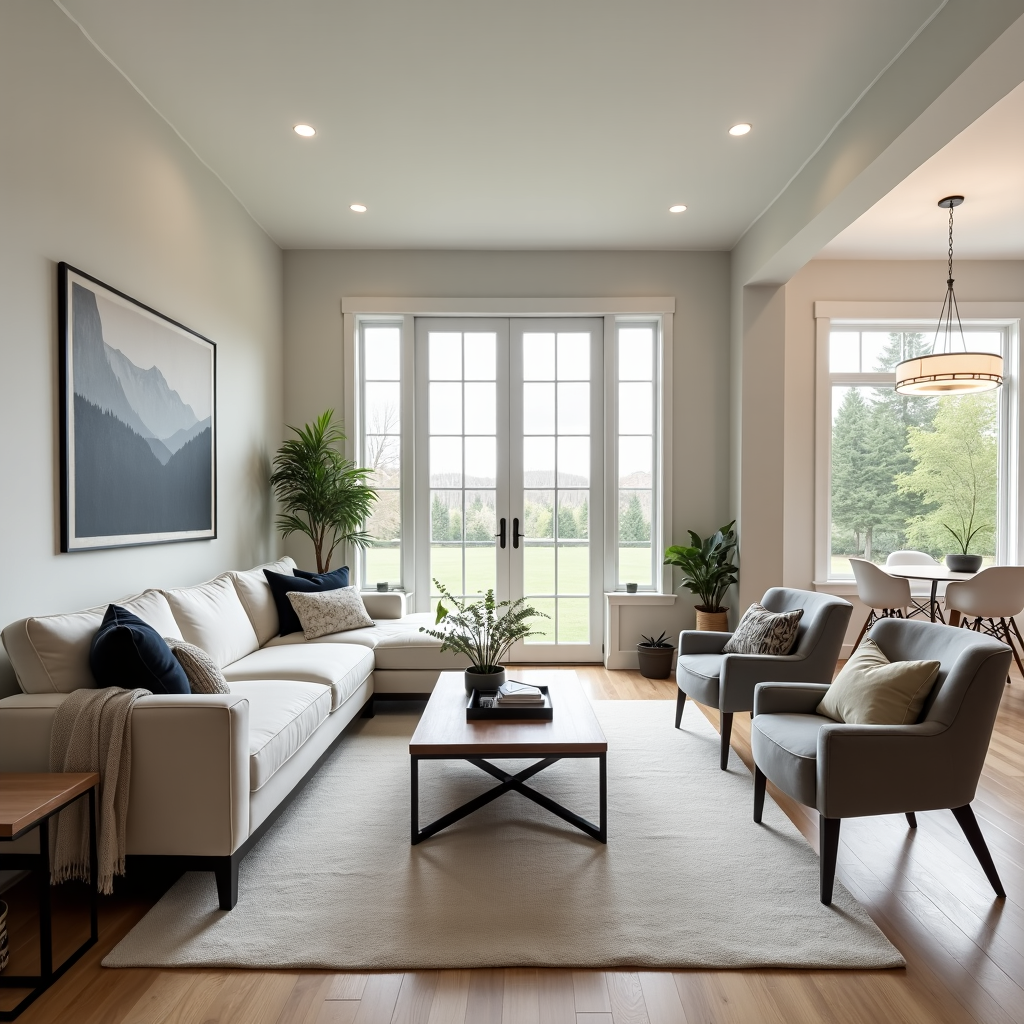
Staged properties, meticulously adorned and strategically arranged, are designed to showcase a home’s potential and enhance its aesthetic appeal. This marketing tactic leverages the power of first impressions, transforming empty spaces into inviting homes where prospective buyers can envision their future life. Staging highlights a property’s strengths while minimizing its flaws, often leading to quicker sales and potentially higher offers. The allure of staged properties lies in their ability to connect emotionally with buyers, presenting a polished, aspirative vision of a space that feels both luxurious and attainable. This emotional connection can significantly influence decision-making processes, nudging buyers towards making an offer based on the idealized lifestyle the staging suggests.
However, the very aspects that make staged properties appealing can also mask potential issues. The strategic placement of furniture, art, and decor is not random but purposefully designed to draw the eye away from less desirable features or defects in the property. For instance, a cleverly positioned rug might be concealing damaged flooring, or attractive wall art might divert attention from structural issues. Lighting, too, is often used to create a warm and welcoming ambiance but can be strategically installed to obscure dim areas or highlight certain parts of a room while leaving others in shadow. Buyers, therefore, might find themselves charmed by the superficial appearance of a home without fully considering its practical or structural aspects. This veneer of perfection makes it crucial for potential buyers to look beyond the aesthetic appeal and undertake thorough inspections and evaluations to uncover any hidden flaws or issues that could impact the property’s value or livability in the long term.
In conclusion, while staged properties undeniably present an appealing façade that attracts numerous buyers, it’s crucial for potential homeowners to approach these investments with a discerning eye. By employing practical strategies for diligent property evaluation, understanding the cost implications of overlooking staged property risks, identifying deceptive practices in property staging, and comprehending the allure of such homes, buyers can safeguard their investments and make informed decisions. Arming oneself with knowledge and a critical perspective ensures that the allure of staging doesn’t cloud the reality of what you’re purchasing, thereby turning a seemingly perfect buy into a sound and wise investment.