The Ultimate Truth about Housing Affordability
Courtesy of Marty Gale Utah Realty
There have been many headlines decrying an “affordability crisis” in the residential real estate market. While it is true that buying a home is less affordable than it had been over the last ten years, we need to understand why and what that means.
On a monthly basis, the National Association of Realtors (NAR), produces a Housing Affordability Index. According to NAR, the index…
“…measures whether or not a typical family earns enough income to qualify for a mortgage loan on a typical home at the national and regional levels based on the most recent price and income data.”
Their methodology states:
“To interpret the indices, a value of 100 means that a family with the median income has exactly enough income to qualify for a mortgage on a median-priced home. An index above 100 signifies that family earning the median income has more than enough income to qualify for a mortgage loan on a median-priced home, assuming a 20 percent down payment.”
So, the higher the index, the more affordable it is to purchase a home. Here is a graph of the index going back to 1990:

It is true that the index is lower today than any year from 2009 to 2017. However, we must realize the main reason homes were more affordable. That period of time immediately followed a housing crash and there were large numbers of distressed properties (foreclosures and short sales). Those properties were sold at large discounts.
Today, the index is higher than any year from 1990 to 2008. Based on historic home affordability data, that means homes are more affordable right now than any other time besides the time following the housing crisis.
With mortgage rates remaining low and wages finally increasing, we can see that it is MORE AFFORDABLE to purchase a home today than it was last year!
Bottom Line
With wages increasing, price appreciation moderating, and mortgage rates remaining near all-time lows, purchasing a home is a great move based on historic affordability numbers.
Utah’s Housing Growth at Risk?
Rapid price hikes in Salt Lake City and Provo raise serious affordability concerns. Many buyers priced out, causing declining demand and potential home value drops.
Happy Easter
Easter is a Christian holiday that celebrates the belief in the resurrection of Jesus Christ.However, according to many theologians, Easter originally began before the arrival of Christianity.It is believed that Easter is named after the Anglo-Saxon goddess of the...
Tariffs Could Add 5% to Home Prices
The US faces a shortage of 4.4M homes, including 1.3M single-family homes for lower-income buyers. New tariffs on Canadian and Mexican imports could raise home construction costs by ↑ 5%, worsening accessibility.
Home Upgrades Booming by 2032 With 6% CAGR Predicted!
The home improvement market is set to grow from $974.57B in 2025 to $1.46T by 2032, driven by innovation. The Leading Indicator of Remodeling Activity projects a 1.2% increase in year-over-year home renovation spending for 2025.
Cities With the Most Expensive Homes in Utah
Typical home values in various Utah metro areas show significant increases over the past year and five years. Provo-Orem has a typical home value of $658,066 with a 1-year change of +2.9% and a 5-year change of +49.7%. Salt Lake City’s typical home value is $662,640,...
Act Now: Prep for Spring Home Buying
Winter is slow, but 2025 will see more sellers returning, possibly leading to a more balanced market. Buyers should start credit repair now, as spring sees the biggest jump in available homes from February to March.
When’s the Best Time of Year to Sell Your Home?
Spring and Early Summer Are Ideal: These seasons often see increased buyer activity and higher sale pricesLocal Market Variations Matter: Optimal selling times can differ based on regional demand and climate.
Is your homeowners association overstepping? Here are 6 unenforceable HOA rules — and how to protect your rights
An estimated 30% of the U.S. population lives in homeowners associations (HOAs), which can impose rules that may be overly restrictive. However, certain rules are unenforceable, including those that violate state and federal laws, infringe on political speech,...
Key Benefits of Health Insurance in the U.S.
Health insurance covers essential medical expenses like doctor visits, hospital stays, and preventive care. It protects you from high out-of-pocket costs during unexpected medical emergencies.
Guide to downsizing for retirees’s
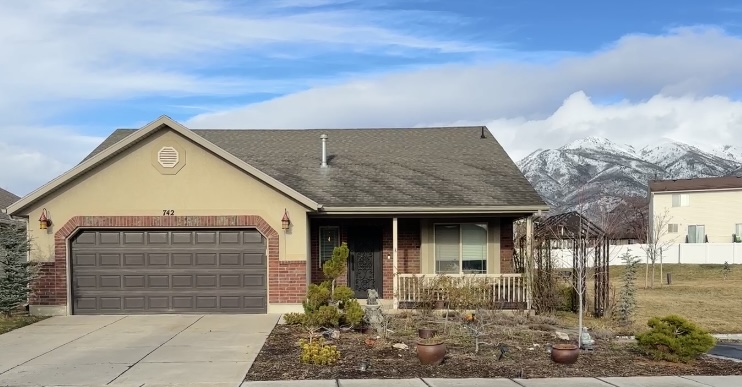
Single Level Living is the best choice for Retiree's Retirement marks a significant transition in life, often prompting reevaluation of one's living situation and possessions. Downsizing can offer a simplified, more manageable lifestyle that aligns with the needs of...