
Does “Aging in Place” Make the Most Sense?

A desire among many seniors is to “age in place.” According to the Senior Resource Guide, the term means,
“…that you will be remaining in your own home for the later years of your life; not moving into a smaller home, assisted living, or a retirement community etcetera.”
There is no doubt about it – there’s a comfort in staying in a home you’ve lived in for many years instead of moving to a totally new or unfamiliar environment. There is, however, new information that suggests this might not be the best option for everyone. The familiarity of your current home is the pro of aging in place, but the potential financial drawbacks to remodeling or renovating might actually be more costly than the long-term benefits.
A recent report from the Joint Center for Housing Studies of Harvard University (JCHS) titled Housing America’s Older Adults explained,
“Given their high homeownership rates, most older adults live in single-family homes. Of the 24 million homeowners age 65 and over, fully 80 percent lived in detached single-family units…The majority of these homes are now at least 40 years old and therefore may present maintenance challenges for their owners.”
If you’re in this spot, 40 years ago you may have had a growing family. For that reason, you probably purchased a 4-bedroom Colonial on a large piece of property in a child-friendly neighborhood. It was a great choice for your family, and you still love that home.
Today, your kids are likely grown and moved out, so you don’t need all of those bedrooms. Yard upkeep is probably very time consuming, too. You might be thinking about taking some equity out of your house and converting one of your bedrooms into a massive master bathroom, and maybe another room into an open-space reading nook. You might also be thinking about cutting back on lawn maintenance by installing a pool surrounded by beautiful paving stones.
It all sounds wonderful, doesn’t it? For the short term, you may really enjoy the new upgrades, but you’ll still have to climb those stairs, pay to heat and cool a home that’s larger than what you need, and continue fixing all the things that start to go wrong with a 40-year-old home.
Last month, in their Retirement Report, Kiplinger addressed the point,
“Renovations are just a part of what you need to make aging in place work for you. While it’s typically less expensive to remain in your home than to pay for assisted living, that doesn’t mean it’s a slam dunk to stay put. You’ll still have a long to-do list. Just one example: You need to plan ahead for how you will manage maintenance and care—for your home, and for yourself.”
So, at some point, the time may come when you decide to sell this house anyway. That can pose a big challenge if you’ve already taken cash value out of your home and used it to do the type of remodeling we mentioned above. Realistically, you may have inadvertently lowered the value of your home by doing things like reducing the number of bedrooms. The family moving into your neighborhood is probably similar to what your family was 40 years ago. They probably have young children, need the extra bedrooms, and may be nervous about the pool.
Bottom Line
Before you spend the money to remodel or renovate your current house so you can age in place, let’s get together to determine if it is truly your best option. Making a move to a smaller home in the neighborhood might make the most sense.
Buyers Have More Room To Negotiate Right Now
Your Utah Fall & Winter Home Maintenance Checklists

The House That Started It All Could Kickstart What’s Next
The House That Started It All Could Kickstart What's Next Remember how exciting it was to buy your first place? It felt like crossing a long-awaited finish line. It gave you a place to build your life. Maybe it’s where you lived when you got married. Or where you...
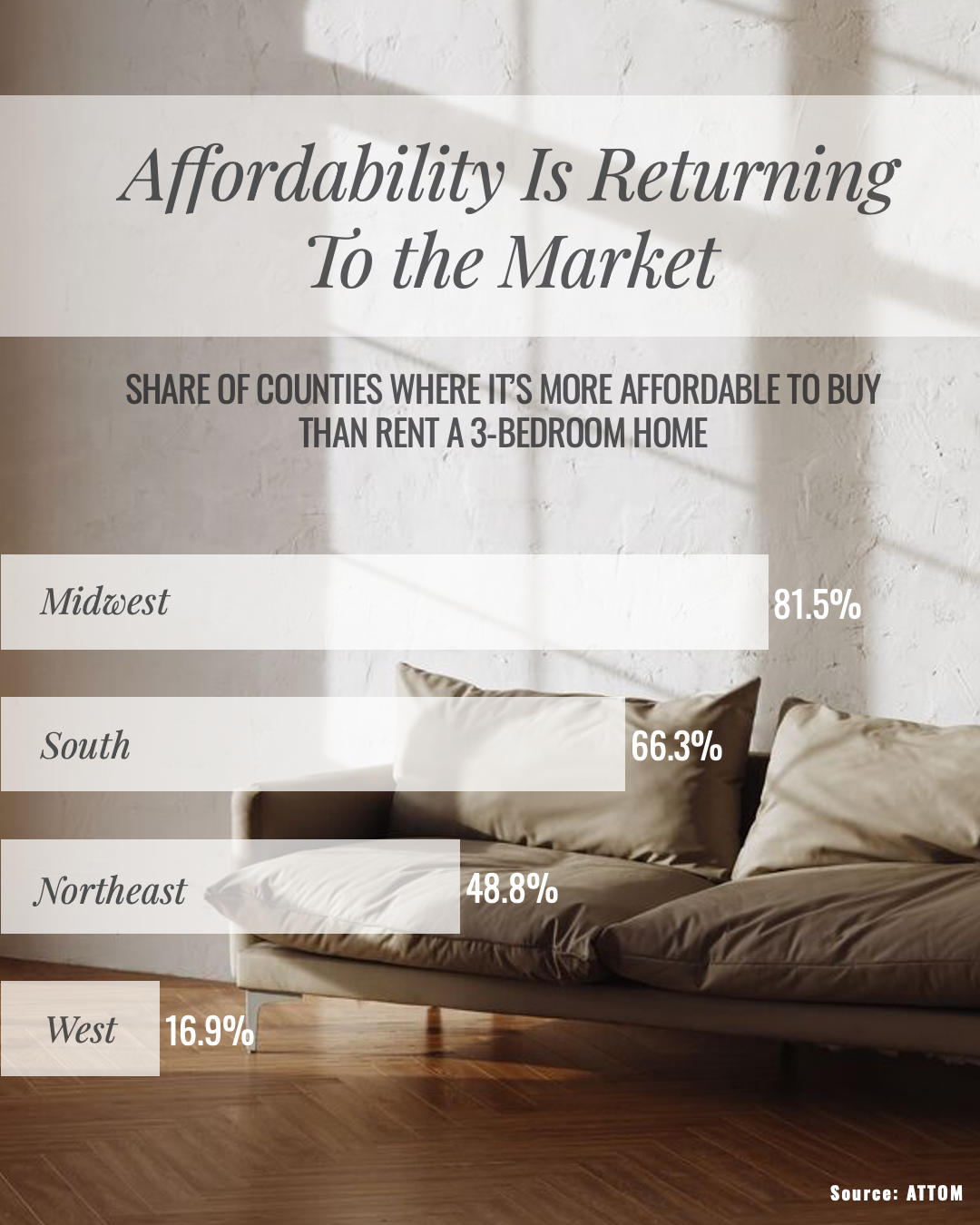
Affordability Is Returning To The Utah Market
Renting vs. Buying: The Numbers Might Surprise You Renting can feel like the easier choice right now. There’s no big down payment. No dealing with surprise repairs. And no long-term commitment. But then your rent goes up again. And again. And suddenly the thing that...
Understanding Dementia and Your Loved One
Understanding Dementia and Your Loved One Learn about their specific diagnosis (Alzheimer’s, Lewy body, vascular, frontotemporal) so expectations and plans match the condition and stage. Accept that changes in memory, behavior, and personality are caused by brain...

Top 2026 Housing Markets for Buyers and Sellers
Top 2026 Housing Markets for Buyers and Sellers Who doesn’t love a top 10 list? Well, here are two top 10 lists for the housing market this year. But before you take a look, there’s something you should know. If a move is on your radar for 2026, here’s the most...

January Buyers
You may not want to put your moving plans into hibernation mode this winter, because the savings this time of year are real. LendingTree found January buyers paid about $23k less than May buyers for the same size home. And that’s largely because the price per square...
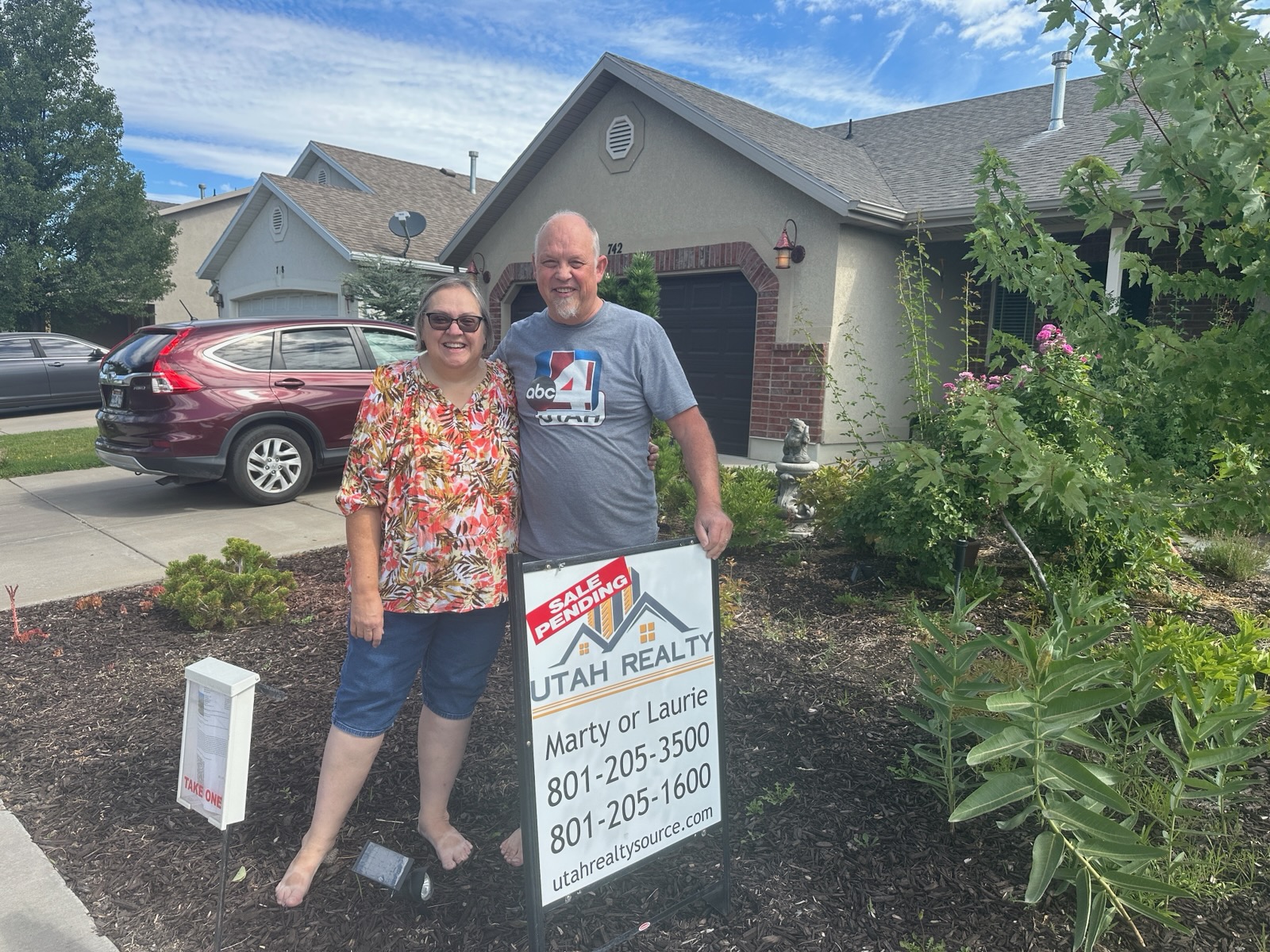
Doug and Camille – Google Review
Marty & Laurie Gale are the Prince & Princess of Patience & Problem Solving when it comes to real estate! Not only did they help find the perfect buyer for our home, they also went the extra mile in getting us the right new home for us that enabled me to...
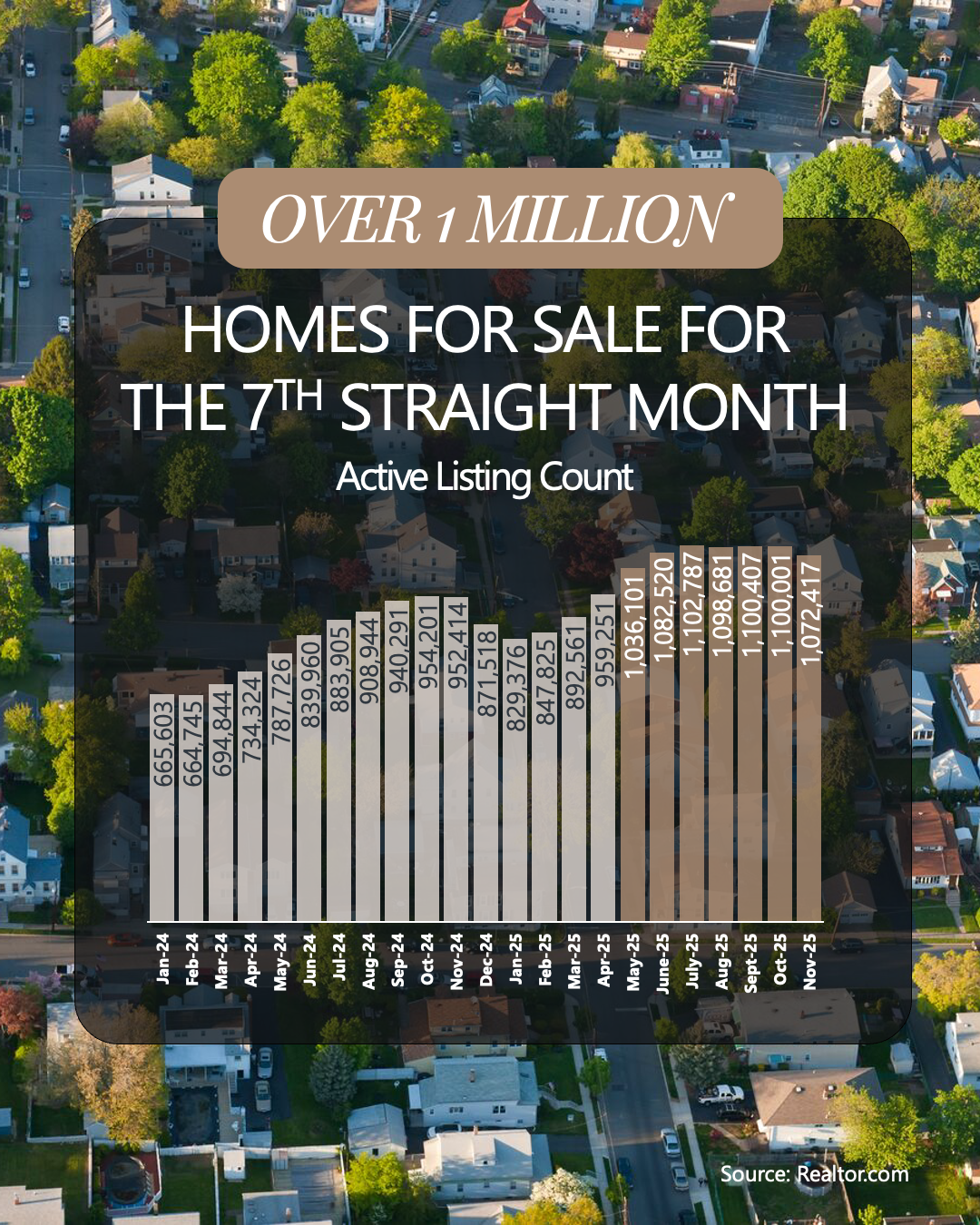
1 Million Reasons To Buy a Home
Buy or Sell with Marty Gale "Its The Experience" Principal Broker and Owner of Utah Realty™ Licensed Since 1986 CERTIFIED LUXURY HOME MARKETING...
How To Stretch Your Options, Not Your Budget
How To Stretch Your Options, Not Your Budget One of the biggest homebuying advantages you can give yourself today is surprisingly simple: a flexible wish list. Think of it like this. Your wish list and your budget are the guardrails of your search. And when your...